
There is perhaps no country in the world that I know better than New Zealand.
Back in 2011, when I decided to quit my job to travel the world, I knew I’d eventually get to New Zealand: it was a country that was high on my travel wish list, and as someone in their twenties, I planned take advantage of their working holiday visa. I thought I’d travel around Southeast Asia until my money ran out, then head south to work and live at the bottom of the world.
I certainly didn’t expect to fall in love with a New Zealander when I was just four months into my adventure!
But that’s exactly what happened and I now find myself with permanent residency for one of my favourite countries in the world. I’ve been fortunate to have visited New Zealand practically every single year over the past decade, and I’ve even spent seven months road tripping from the very top of the North Island to the bottom of Stewart Island.
In short, I’ve seen a hell of a lot of New Zealand over the past 15 years.
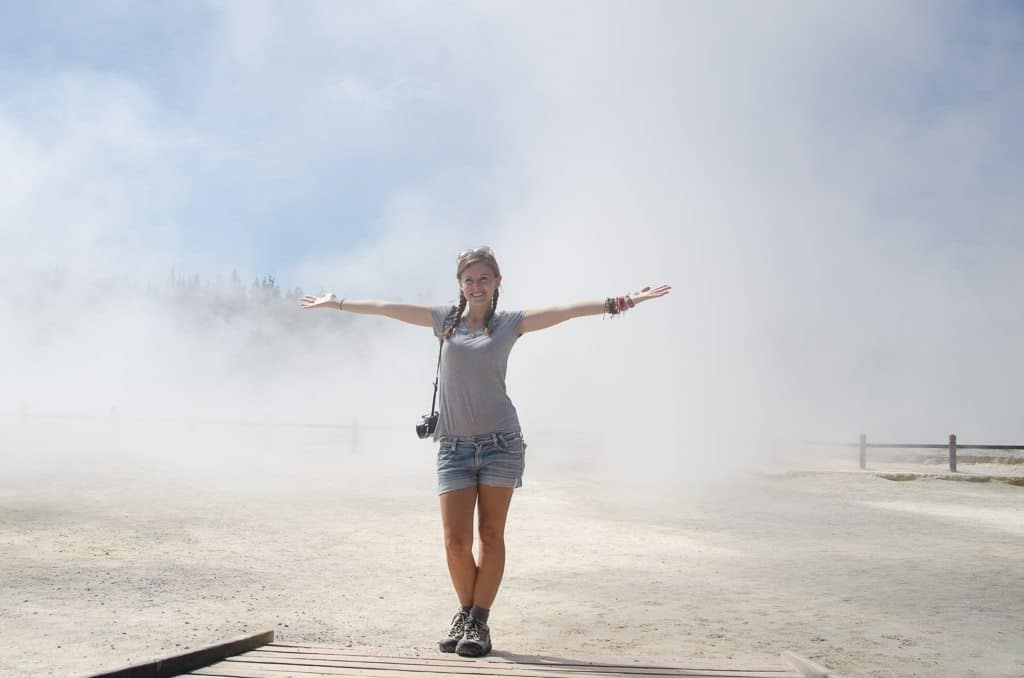
I’ve visited over sixty different spots across the Land of the Long White Cloud, tackled three of the Great Walks so far, and every time I return, I fall more in love with this spectacular country. I’ve also learned a hell of a lot about how to pack.
Today, I want to share that knowledge with you guys. I want you to be able to make the most of your trip in New Zealand, and your packing decisions can make or break a trip.
Trust me: I know. There was that time when I ended up frozen and soaked because I believed I didn’t need wet-weather gear on a hike in the middle of New Zealand’s summer. Oh, and that time I tried to undertake a short hike in flip-flops and ended up with a sprained ankle. There was also that hike where I forgot to bring insect repellent and was devoured by the country’s infamous sand flies.
Let me make the mistakes so you don’t have to — it’s basically the slogan of my travel blog at this point.
My Luggage Recommendations for New Zealand
When it comes to travel in New Zealand, the amount you’ll bring with you will depend a hell of a lot on the time of year you’ll be visiting as well as the activities you’ll be doing while you’re there.
Travelling outside of summer? You’ll want to bring a lot of warm clothes and wet weather gear. Visiting in summer? Yeah, you’ll probably want to bring just as many. It doesn’t have the name The Land of the Long White Cloud for nothing — even in the height of summer, you’ll most likely be chilly more days than not.
Planning on doing a lot of hiking? You’ll want to make sure you have proper hiking shoes, a decent backpack, and clothes for every weather condition.
Yes, in case you haven’t realised, the weather in New Zealand can be more than a little variable, and it’s one of those countries where you can experience all four seasons in a single afternoon.
In general, the west coast is wetter than the east coast, the North Island is warmer than the South Island, and inland parts of the country experience more extreme weather than the coast. In the Central Otago region, for example, located inland on the South Island, temperatures can soar to 40°C in summer and plummet to -6°C in winter.
I’m a huge fan of travelling with a carry-on-sized backpack, as I appreciate the lack of back pain, the added ease of moving through the crowds, and not having to worry about lost luggage. For New Zealand, though, there’s no real reason to really battle to keep the size of your luggage down. The streets are paved, so don’t pose a problem for suitcases, and because public transportation isn’t amazing, most people opt to travel by car, campervan, or backpacker bus.
I travel with the Osprey Fairview 40l backpack and take it on all of my adventures, whether I’m spending two weeks in Japan or six months in the South Pacific. It’s super-comfortable to wear, easy to pack, and has plenty of compartments to help keep your belongings organised. Osprey also offers a lifetime guarantee for all of their backpacks, which makes opting for one a no-brainer — if it breaks or falls apart, you can just get a new one!
If you’re not a fan of backpacks, I recommend the Osprey Sojourn, which is a combined backpack and suitcase in one. You’ll be able to comfortably wheel your suitcase around the country, then wear it as a backpack when you come across a series of steps or a steep hill.
What about a day pack?
You’re not going to want to take your main backpack/suitcase out with you while you’re exploring the streets of Wellington or the glowworms of Waitomo, so that’s why I recommend bringing a daypack with you on your trip.
Enter this teeny-tiny backpack that packs up to the size of an apple.
Despite its tiny size, this daypack is still surprisingly strong, holding a two-litre bottle of water, two SLR cameras, two phones, and a guidebook when I was exploring all over Oceania last year. And it doesn’t look cheap and crinkly, either, as so many packable bags often do. I take this bad boy on every single one of my trips — I’ve had it for over four years now — and appreciate that it doesn’t take up much space or weight in my luggage.
And hiking packs?
I’m a huge fan of the Osprey Tempest 20l backpack for day hikes and multi-day treks. It’s lightweight, has a great hip belt, and easily fits enough water, sunscreen, clothing, and snacks for a long walk.
No, you own too many Osprey Backpacks. What can I say? I’m an Osprey fangirl for life.

Clothing for New Zealand
When it comes to spending time in New Zealand, you’ll probably be aiming to split an equal amount of time between the mountains and the sea. While it can be tempting to spend your entire trip in typical backpacker gear, you won’t want to forget warm options for mornings and evenings when the temperature drops, and if you get sunburnt, you’ll definitely want something to cover up with. If you’re planning on hiking around the country, you’ll want to bring plenty of hiking gear, too.
What to wear in New Zealand in summer
Summer in New Zealand (December – February) isn’t as hot as you might expect, with maximum temperatures ranging between 20 and 30 degrees across the country. I recently spent from November to April road-tripping around New Zealand, and I ended up wearing jeans and a sweatshirt more often that not. As always with New Zealand, prepare for bad weather and hope to be pleasantly surprised. Here’s what I recommend wearing during summer:
- Two strap tops: New Zealand can get hot, so you’re going to want to wear lightweight, thin tops to stay as cool as possible. I pack a couple of spaghetti strap tops for those days where I can’t bear the thought of wearing anything larger.
- Three tank tops: For much the same reasons as why I bring strap tops, I pack a handful of tank tops to give me some variety with my clothes.
- Three t-shirts: T-shirts are also good for cloudy days or if you feel uncomfortable showing any more skin.
- One dressy top: New Zealand is more about dressing casual than fancy, so don’t expect to be dressing up every evening. Bring one nice top for your evenings out.
- Three dresses: I like to spend most of my time in dresses to stay cool. Three is the right amount for me.
- One kaftan: I like the selection they have on Free People. This is good for covering up and protecting yourself from the sun on beach days.
- Two bikinis: If you plan on hitting up the New Zealand beaches, you’ll want to bring some swimwear with you!
- One pair of denim shorts and a pair of bike shorts: I give myself two options, bringing some denim shorts and a pair of longer bike shorts. I usually use the latter for hiking in.
- A poncho/rain jacket: The rain in New Zealand can be a pain, especially on the west coast of the South Island so I usually pack a thin, breathable rain jacket for any unexpected showers.
- One outfit to keep you warm: Lows in the summer months are usually around 10-15 degrees, so you’ll want to have a warm outfit for any chilly nights. I usually bring a pair of jeans and fleece for any late-night wandering.
- Hiking pants: If you plan on doing some hiking (and you really should), bring a pair of leggings or hiking pants for any colder hikes you might be doing at altitude. I usually pack some yoga pants for hiking in New Zealand.
- Enough underwear for the length of the trip: For me, this is two bras, five pairs of socks, and seven pairs of underwear. If I’m travelling for longer than a week, I’ll either pay to get laundry done or use my travel laundry bar and stain remover to wash my clothes in the sink.
Shoes
New Zealand is all about the hiking, so shoes with fantastic grip are a must. I’m a big fan of multi-tasking when it comes to shoes, so I’d recommend limiting the amount you bring to three.
- Flip-flops: I travel with these tropical-themed Havianas and love how comfortable they are. I use flip-flops on beach days and short wanders through the local towns in the evenings.
- Hiking shoes: I’m absolutely in love with my Merrell Accentor hiking shoes and think they’re the best I’ve ever owned. I’ve used these shoes to hike the 120 mile South Downs Way in the U.K. and plan on taking them on the Camino de Santiago with me later this month. My big tip for hiking in New Zealand is to buy shoes that are a size larger than you normally wear. Your feet will expand as you spend all day on them, so that extra room will prevent blisters from forming. They feel weird at the start of the day, but will be so comfortable at the end!
- Something for evening meals: I really like taking tennis shoes, like these low-top Converse sneakers in pastel shades to wear for dressing up, especially as they’ll give me a little more grip on the streets than strappy sandals. If you plan on hitting up high-end restaurants and dressing up while you’re in New Zealand, take something you know you’ll be happy wearing. You know your style better than I do!

Accessories
Sunglasses: This is fairly self-explanatory! If you’re planning a summer trip to New Zealand, you can expect to need sunglasses while you’re out exploring.
Quick-dry travel towel: I absolutely adore mine! My Sea to Summit towel in extra large has been the perfect travel companion for the past eight years. It’s the size of a satsuma, weighs next to nothing, dries within minutes, and lasts for years.
Medications to Pack for New Zealand
In general, I don’t recommend travelling with a hefty first aid kit unless you’re planning on venturing well and truly off the beaten track. You’ll be able to get all of the same medicines as you can back home while you’re in New Zealand, so don’t worry about bringing absolutely everything with you for every eventuality.
Still, there are certain medicines that it’s useful to have on hand at all times. Here’s what I keep in my limited first aid kit:
- Dramamine: I suffer from motion sickness, so always make sure to have some motion-sickness tablets on hand, especially if I’m going to be venturing out on the water. I struggled when taking the ferry between Wellington and Picton before, as well as dolphin-spotting at Marlborough Sound. I was fine at both Milford and Doubtful Sound.
- Painkillers: There’s nothing worse than having to venture out in the hot sun in search of a pharmacy when you’re dealing with an agonising headache. That’s why I always travel with a dozen painkillers when I travel, usually half a dozen acetaminophen tablets and half a dozen ibuprofen.
- Imodium: Unfortunately, travel isn’t always incredible for our stomachs, and travellers’ diarrhoea can sometimes threaten to ruin your vacation, even in a country like New Zealand. I always keep Imodium on hand for any times when the local food doesn’t agree with me. It’s been a life-saver on days when I’ve needed to get on a bus and wouldn’t have otherwise been able to leave the bathroom. I also recommend packing some DripDrop rehydration sachets in case you get felled by food poisoning or sun stroke.
- Anti-histamines: I’m a very reactive person, so anti-histamines are a must for me! I always bring half a dozen tablets with me in case I break out in hives or start sneezing all over the country.
- Insect repellent: New Zealand has a ton of sand flies and they can be vicious with foreigners. My kiwi boyfriend doesn’t react to their bites, but I break out in huge itching welts whenever I’m struck by them. DEET helps repel them, so I always back a small bottle of insect repellent with as high a percentage of DEET as I can find.
- Band-aids: You don’t want to get an infection while travelling in New Zealand, so you’ll want to bring a couple of bandaids and a small tube of antiseptic cream for any cuts or grazes you may get. The last thing you want is for a cut or blister to get infected while travelling.
Travel Technology

Odds are, you won’t need to bring a huge amount of technology and electronics with you; these days you can get by with a smartphone and little else! In this section, I’ll run through what I personally take to New Zealand, the pros and cons of each item, and anything extra you may want to bring with you.
- A smartphone: I travel with the iPhone 16 Pro, but don’t feel the need to upgrade your phone before your trip unless you’re looking for a better camera to help capture those epic New Zealand landscapes. After spending a decade lugging a big old DSLR around the world with me, I now solely take photos for this site using my iPhone. I also recommend grabbing an eSIM before you arrive to ensure you’ll have data from the moment you arrive. Based on extensive experiments and a whole lot of backcountry hikes, I recommend choosing a provider that uses the Spark network, as that’s going to give you the best coverage across the islands. Airalo is who I personally use and recommend.
- A power bank: A power bank is still a huge travel essential for me because I still find myself regularly running out of battery during my travel days. When I’m roaming around a city, taking photos, navigating with Google Maps, and sending photos to friends, my phone’s battery drains so fast I can barely make it more than five or six hours before heading back to my hotel. I always take the INIU 20,000mAh 45W charger with me, then. It has enough capacity to charge my iPhone 3.5 times over, and its 45W output charges my phone to 70% in just 30 minutes. This is particularly going to be important if you’re planning on doing any multi-day walks/camping where you may not have reliable access to power.
- Some kind of headphones/earphones: Depending on the trip and how lightweight I want my backpack to be, I’ll usually travel with some earphones at a minimum. Often, I’ll travel with my Airpods Max for flights to, from, and around New Zealand so I can use the noise-cancelling to block the engine noise. My Airpods Pro are useful for listening to podcasts or music on the buses, at the beaches, before I go to bed, or even as I’m walking around a city on a solo trip and feeling like I need some company.
- A smartwatch: If I’m planning on hiking while I’m in New Zealand — which I usually am — I consider my Garmin Forerunner 570 to be a travel essential. I find it so valuable for keeping track of my vital signs while I’m out on the trails: seeing how much liquid I’ve lost due to sweat, keeping track of how well I’m sleeping and my daily mileage, seeing how much each day of walking is impacting my energy levels, and how much elevation I’ve traversed each day. I particularly love that my Garmin can create a little elevation chart of every hike I do; perfect for showing friends that the mountains in New Zealand are no joke.
- A travel adapter: The power sockets in New Zealand are type I, the same type that is used in Australia or China. In recent years, the market has been flooded by millions of cheap global travel adapters that seem like they’re great value for money… until you go to charge your phone and discover it’s going to take half a day to get to full. It’s important, then, to pay attention to the wattage of the USB ports in travel adapters. Many cheap options might claim 70+ Watts but actually only produce 5 or 10W of power through the USB ports, charging your phone to 20% in half an hour. With a 45W charger, you’ll get to 70% charge over that time. The best I’ve been able to find is UGreen’s 45W 6-port universal travel adapter.
- Charging cables: Make sure you remember to pack charging cables for all of your electronics. I usually pack a 10-foot-long USB-C-to-USB-C charging cable just in case the power sockets are in ridiculous locations in my accommodation.
- A laptop or tablet: I work online as I travel, so my Macbook Pro is a non-negotiable for me! For most travellers, though, you likely won’t want to bring a laptop all the way to New Zealand with you. A tablet may be worth packing if you think you’ll want to watch TV shows in the evenings, as it’ll make for a much more enjoyable experience than watching them on your phone.
- A Kindle Paperwhite: I’ll usually bring my Kindle with me unless I’m trying to keep my backpack as lightweight as possible — as you can use the Kindle app on your phone to store as many books as you think you’ll get through in New Zealand. For me, I find the Paperwhite reading experience much more pleasant. The lack of glare on the screen makes it so much easier to read in the sunshine, using it won’t drain the battery on your phone, and it means I can keep my phone out of sight when I’m hanging out on the beach. (And my phone is most definitely covered in scratches from all the times I took it to the beach to read!) I always try to read books that are set in the country I’m travelling to, as well. For New Zealand, I loved The Bookseller at the End of the World.
Toiletries

If you’re going to be travelling with carry-on luggage, you’ll need to be cautious here, as you’ll have to make sure any liquids you travel with are under 100ml. Regardless, I’m always trying to reduce my environmental impact, so plenty of these suggestions will help you, too.
- Bamboo toothbrush and toothpaste: I invested in a bamboo toothbrush recently to cut down on my plastic consumption, and I’m obsessed with the offerings from B-Earthly. Their toothbrushes are biodegradable, comfortable to use, great for sensitive teeth, come with a travel case, and have a built-in tongue-cleaner. I combine mine with Crush&Brush toothpaste tablets, which come in zero-waste packaging, and biodegradable dental floss.
- A razor: I usually pack one reusable razor for each trip.
- Deodorant: This is a travel essential if you plan on travelling in New Zealand through the hot and sweaty summer months! I love the Organic Island solid deodorant bar. It’s plastic-free, biodegradable, and works just as well as traditional deodorants. The fact that it’s not a liquid will please all of my fellow carry-on travellers out there!
- Sunscreen: You’ll get through a hell of a lot of sunscreen if you’re planning on visiting New Zealand in summer — fun fact: I managed to land myself with the worst sunburn of my life after just a couple of hours outside when first arriving! Sun protection and hydration is going to be so important. To be honest, you’ll get through so much sunscreen in New Zealand that I’d recommend picking some up after you arrive so that you can travel with a bigger bottle.
- Solid shampoo and conditioner: I love LUSH’s solid shampoo bars — they leave my hair feeling soft and shiny, are super-lightweight and small, and last me over six months when using them continuously! Because they’re so small, I’d definitely recommend picking up some solid conditioner, too. The cork pots that are sold by LUSH are perfect for storing your bars as you travel.
- A small bar of soap: I usually grab a bar of soap from LUSH before a trip, too. I love their products and the fact that they’re packaging-free. A bar of soap will last me for an entire trip and also means I don’t add to my liquid limit with shower gels.
- Tangle Teezer: I’ve been traveling with a Tangle Teezer since I first started traveling, and it was a lifesaver in New Zealand! It’s the only hairbrush I’ve found that can get rid of all of all of the knots in my crazy, curly hair.
Miscellaneous Items for a Trip to New Zealand
A dry bag: An essential for spending time out on the water. It meant I could put my camera in my dry bag, get some air in it so it floats, and swim off to a little beach with my camera and take some great photos. The extra air helped it to float, which was useful. I’ll only use Sea to Summit products when it comes to dry bags — I’ve been using mine for seven years and it’s still going strong.
Don’t Forget Travel Insurance!
If you’ve read any other posts on Never Ending Footsteps, you’ll know that I’m a great believer in travelling with travel insurance. I’ve seen far too many Go Fund Me campaigns from destitute backpackers that are unexpectedly stranded in a foreign country after a scooter accident/being attacked/breaking a leg with no way of getting home or paying for their healthcare. These costs can quickly land you with a six-figure bill to pay at the end of it.
And fun fact! My partner scraped up our rental car in New Zealand while parking in a narrow driveway of an Airbnb. The total cost of the damage? $1,500! We were so glad we had travel insurance then, as it covered the full cost.
In short, if you can’t afford travel insurance, you can’t afford to travel.
Travel insurance will cover you if your flight is cancelled and you need to book a new one, if your luggage gets lost and you need to replace your belongings, if you suddenly get struck down by appendicitis and have to be hospitalised, or discover a family member has died and you need to get home immediately. If you fall seriously ill, your insurance will cover the costs to fly you home to receive medical treatment.
I use SafetyWing as my travel insurance provider, and recommend them for trips to New Zealand. They offer two options for insurance: Nomad Insurance Essentials is standard travel insurance that covers all of those big travel emergencies, like the medical disasters I mentioned above, plus trip interruption-related expenses and lost luggage. The Complete plan is travel insurance plus full health insurance, whether you’re living overseas, travelling full-time, or looking for coverage in your country of residence.
What Not to Pack for a Trip to New Zealand
A money belt: There’s no travel item I despise more than a money belt, and I very much recommend leaving yours at home. Why? Because they don’t work! Thieves know what money belts are and they know to look for them. When a friend was mugged while travelling, the first thing the attacker did was lift up her shirt and check for a money belt.
So not are they uncomfortable and weird and make it look like you store your valuables in your underwear, but they don’t even protect you from being robbed.
Instead of travelling with a money belt, I recommend splitting up your money and credit cards before you travel. Keep an emergency $20 in your shoe, put some of your money in your wallet, keep a card in your daypack, and some extra cash in a pocket. You’ll be a lot safer by doing this.
High heels: New Zealand is a country that’s all about getting outdoors. Leave the heels behind and opt for some sandals with a good grip.
Too much make-up: I’m all about that beauty life, but I’ll hold my hands up here and confess that I always pack far too much make-up on my trips. For some reason, I always assume I’m going to want to put on a full face of primer, foundation, concealer, eyeliner, lashes… when the reality is that it’s often so hot in New Zealand that the last thing I want is products on my face. Instead, keep your products to a minimum: I like to pack some bronzer, mascara, a quad of neutral eyeshadows (I like the Flirt palette from Tarte), some highlighter, and lip gloss. I’ll throw a couple of vibrant nail polishes in there, too, and that’s about it for my beauty bag.
And that’s about it for my New Zealand packing list! I hope you found this guide useful and have a fantastic trip to the islands! :-)
Make Never Ending Footsteps a preferred source in Google so you can see more of my travel guides.


Thanks so much for such a detailed, useful packing checklist for New Zealand. We’re flying out next week to spend two months driving across both islands on a campervan. This was a great guide for helping make sure that I hadn’t left anything important behind. It’s reassuring to know that we can easily find anything we might have left behind while we’re there though!
Two months! That’s a great amount of time for New Zealand, and exploring by campervan will make it all so much fun. And yes, odds are, you’ll be able to find anything you might have forgotten in New Zealand, so there’s no need to stress about forgetting anything important.
Really helpful, thanks. I’ve had some terrible reactions to sand flies in the past and hadn’t heard that they were prevalent in New Zealand. Off I go to the shops to make sure I’ve got some strong insect repellent!
Oh yes, you definitely want to make sure you’re as protected as possible from the sand flies. I found sand fly bites to be even itchier than bed bug bites, so I’m always doing as much as possible to avoid getting bitten.
I appreciated that you also wrote about the types of things that you pack when you’re going hiking in New Zealand. I’m planning on walking three of the Great Walks while I’m there next month and it was helpful knowing what to bring (and what to buy there) from somebody who’s done many of them before.
I love that you’re going to be doing three of them! Some of my favourite New Zealand experiences have been hiking the Great Walks, so I hope you enjoy them as much as I did.
Have just picked up a dry bag for my month-long, solo road trip in NZ! It sounds like it’s going to be great for beach days, as I’m always concerned somebody might take my things while I’m in the sea. Really cool idea to take everything with you into the water in a waterpoof bag!
Yes! I always say that my dry bag is one of the most useful items I pack, and I bring it with me on every trip where I might be around water.
Used this packing list as a last-minute checklist before flying out later today (eee!). I love that you also included why you brought the things you did rather than listing it all out in bullet points. Looks like I’m all set, though. Now I just need to get through that long flight!
Ah, that’s the worst part about travel to New Zealand! I hope your flight goes smoothly, the time passes quickly, and you don’t get struck down too badly by jet lag :-)
To echo others here in the comments, I really appreciated the amount of effort and detail that you included in this packing list. It really helped me to narrow down whether I’m taking too much (definitely!) and discover if I’m forgetting anything (a couple of things)!
That’s so kind of you to say, Esther. Thank you!
Heading over to New Zealand for a summer trip later this month and trying to figure out if it’s possible to do so with just a carry-on. Reading this makes me think it is, even with all the hiking I plan on doing, so I wanted to say thanks for all the advice.
It definitely is! I travelled with a carry-on for a two-month trip I took around New Zealand, and didn’t find that I needed to carry much more than I would elsewhere in the world. The hiking does mean that you might want to carry more with you, but I just wore my hiking shoes during all my travel days so that I wouldn’t need to find room for them in my backpack.