
Mozambique is my new favourite country.
Before I arrived, I had no idea what to expect from this little-visited Southern African spot and if I’m being honest, was filled with trepidation. I had zero experience travelling sub-Saharan Africa and the prospect of taking my first steps into the region (and doing so alone) was intimidating.
Especially because when I started researching travel in Mozambique online, I quickly realised just how few travel bloggers have been to Mozambique, how few trip reports there are, and how, if you venture into forums, you’ll find dozens of people announcing how unsafe it is and how, under no circumstances, should any woman travel there alone.
So I packed my bags and went anyway, because one of my favourite things to do when I travel is to shatter perceptions of a place.
And Mozambique? It’s perfectly safe for women travelling alone. It’s beautiful. It’s exciting. It’s adventurous. It makes you feel alive. The locals are so welcoming. The food is delicious. The beaches are out of this world.
The travel may be tougher here, but the rewards are far greater.
I tiptoed into Mozambique, wondering whether I’d be fleeing to South Africa in just a few days, but instead had to drag myself out of the country several weeks later. I can’t wait to return.
Today, I want to share a bumper post of everything I learned about travel in Mozambique. I’ll be sharing my best travel tips, funny observations and stories, advice on getting around and staying safe, what I wish I’d known before arriving, and how you can plan the trip of a lifetime.
Let’s get started.
Don’t Believe Everything You Read
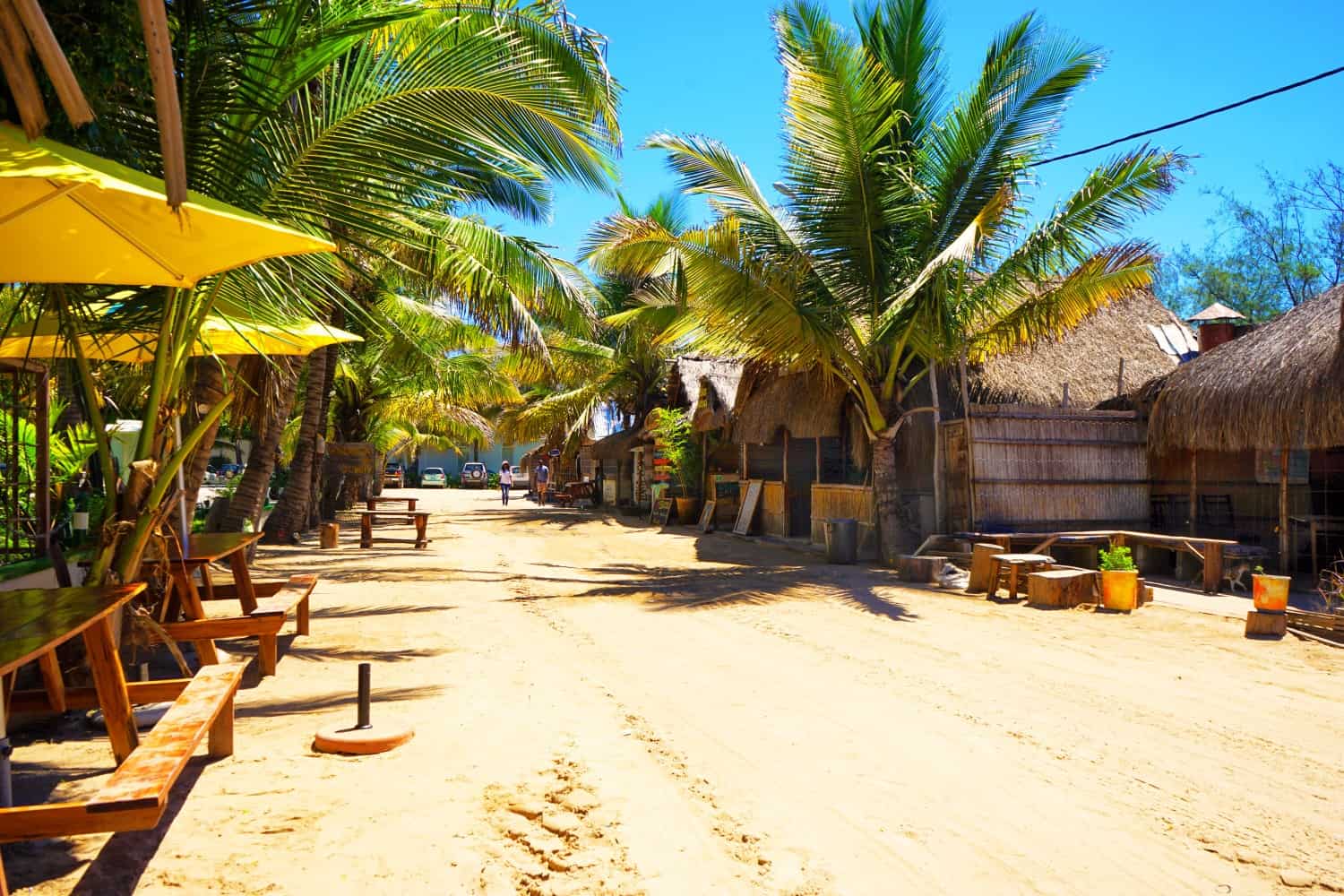
Confession: I was terrified to arrive in Maputo.
It wasn’t that I had no idea what to expect, but that I had read so many scary comments online that I was expecting nothing but danger. Let’s a take a look at some of the quotes I stumbled upon, from articles, blog posts, and comments in forums:
- Criminals are forceful and ruthless, often work in groups, and carry firearms. Expats and tourists have been targeted in the past, so be sure not to display any signs of wealth: jewelry, running shoes, cameras and purses should be left in the hotel or hidden extremely well.
- Women should never walk alone on the beach or take the bus unaccompanied. Unfortunately, attacks on female tourists have been increasing.
- Parents, DO NOT let your children travel to Mozambique!
- I had a very rough start. Within hours of my arrival in Chimoio I was cheated by moneychangers, had my laptop stolen in a hostel, had to abandon a horrid bus where we were squashed like sardines with stereo blasting. To top things off I was unable to get cash since ATMs very randomly accept cards in Mozambique.
- I wouldn’t recommend it. I did it a few years ago with my then girlfriend. In the capital Maputo the hostel had guards on the gate to make sure no-one broke in. Armed guards at the ATM too.
Does that sound like the type of country that would leave you feeling safe and welcome?!
Yeah. Me neither.
So, why did I go? Well, part of the reason why I even started my travel blog is because I love getting to show the reality of misunderstood places around the world. And in amongst the horror stories I found online, there were also gushing reports of life-changing trips in a beautiful country full of welcoming locals.
But also because one thing I’ve learned from my 15 years of travel is that humans are absolutely terrible at assessing risk. It’s why we’re all kind of anxious about plane crashes despite the fact that our lifetime risk of dying in a car crash is 1 in 100! But do you ever feel nervous about getting inside a car?
The fact is, the vast majority of travellers have a safe and trouble-free trip to Mozambique, because if they didn’t, governments would be urging their citizens not to visit. You would have to be so unlucky to have anything terrible happen to you in the country (especially if you stay in the south), that it’s not something to cancel your trip over.
I felt safe in Mozambique as a solo woman. I wandered on the beaches on my own and only ran into locals who wanted to make friends and show me around. I carried my camera and my phone in a bag and took photos and wasn’t mugged. It’s all anecdotal, sure, but I didn’t feel like I was travelling in some kind of dangerous, lawless country.
I learned a valuable lesson here, in not believing everything you read about a place, and the importance of checking it out with your own eyes before making a judgment. Don’t let the fear-mongering online put you off visiting Mozambique — I felt less safe in South Africa (where the crime rates are far higher!), which is a place most people wouldn’t have any qualms about visiting.
If you are nervous about travelling to Mozambique, make sure you’re reading reports and experiences from people who have actually been to the country. It’s too easy for people to thoughtlessly leave dramatic comments on articles online, ranting about how Mozambique is dangerous, when they haven’t even been themselves.
The Visa Situation Changed in 2026
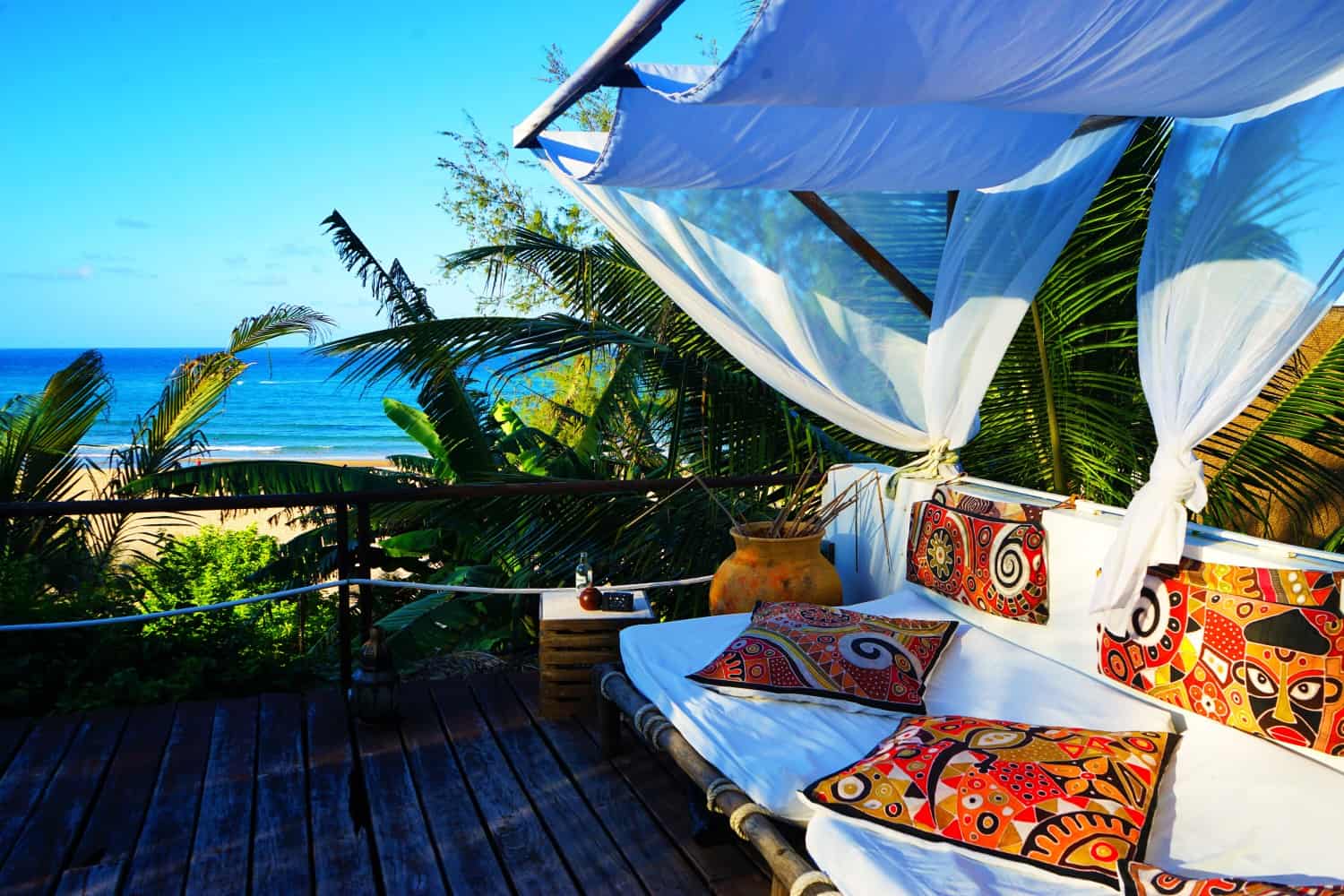
In mid-2026, Mozambique finally launched its new visa platform, along with new requirements for visiting the country. Fortunately, they’re not too onerous, but it does mean that tourists from Western countries (the vast majority of my readers!) will now need to apply for an eVisa or ETA in advance. This is the official government website for visa applications, and you can double-check which kind of visa you need to apply for on this page.
Odds are, you’ll be eligible for both an eVisa and an ETA, so what’s the difference between the two?
There are 29 countries (including the U.K., U.S., and many EU countries) who will need to complete an ETA (electronic travel authorisation) before arriving in the country. It costs around $47 and I recommend applying for yours a week before your arrival date to ensure you get it in time (average processing times are around 48 hours, so it’s not the end of the world if you’re applying at the last minute). Your ETA will be valid for 60 days from the date that it’s approved, and valid for 30 days once you’ve entered, so you also don’t want to apply too early before your trip.
For everyone else (including Australia, New Zealand, and much of Central/Eastern Europe), you’ll need to apply for an eVisa, which gives you 30 ($95), 60 ($190), or 90 ($290) days in the country. Much more expensive! The bonus is that the eVisa is multiple-entry, so if you wanted to take some day trips into eSwatini or South Africa you’ll be able to do so.
Now, it is technically still possible to get a visa on arrival ($10) if you’re part of the ETA-list of countries. Despite this being perfectly allowable in Mozambique, there are reports of airlines turning away travellers if they can’t show that they have a valid ETA for the country. It’s therefore quite a risk to rely on this working, so I’d only do so if you’ll be travelling overland and won’t have to deal with overzealous airline staff.
The most annoying part of the whole process is that you’ll need to show that you’ve booked the vast majority of your trip and upload a bunch of documents: a passport photo of yourself, a scan of your passport, proof of your finances, proof of booked accommodation, plus proof of onward travel out of Mozambique. If you prefer to travel on the fly without having anything booked, you can book cancellable accommodation for the proof, and book a fake onward ticket, and then cancel it once you’ve received your ETA/eVisa.
Mozambique is Bigger Than You Think
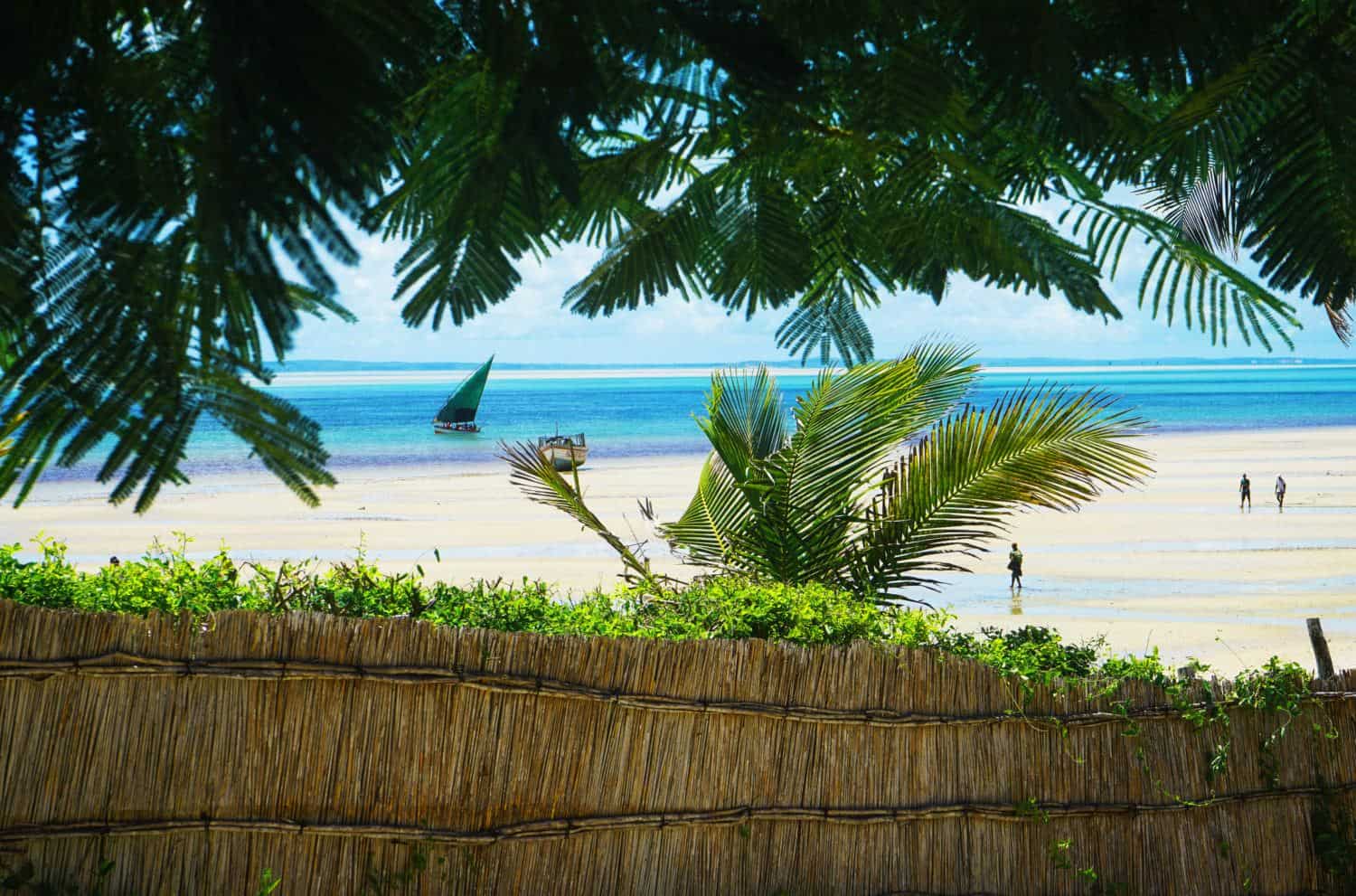
I gave myself two weeks to explore Mozambique and believed that would be more than enough time to bop my way along its coastline.
Yeah. Mozambique is so much bigger than it looks on maps! The coastline, for example, is more than 1500 miles long, which is roughly the same length as the east coast of the U.S.
Would you give yourself two weeks to travel the entire east coast of the U.S.? Of course not!
That’s a whole lot of land to cover and if you’ll be doing it overland, you can expect to spend the better part of a day travelling from one city to the next. If you’re hoping to fly, you’ll be at the mercy of LAM, the Mozambican airline. Flights are infrequent and illogical, rarely going from where you are to where you want to be, and especially not on the date you want to fly.
When you’re in Mozambique, less is more. Build travel delays into your schedule and aim to spend three-to-five days in each place rather than one or two. I decided to spend my two weeks exploring the south of Mozambique (as the north of the country isn’t safe for tourists to visit right now).
With two weeks, you could easily check out Maputo, Tofo, and Vilanculos/Bazaruto Archipelago. With three weeks, you could add Ilha de Mocambique to your itinerary, and maybe even Gorongosa National Park, too.
As of 2026, it is not safe to visit Pemba and the Quirimbas archipelago, due to the current Islamic insurgency in the north of the country.
The Tourist Scene is Small but Friendly
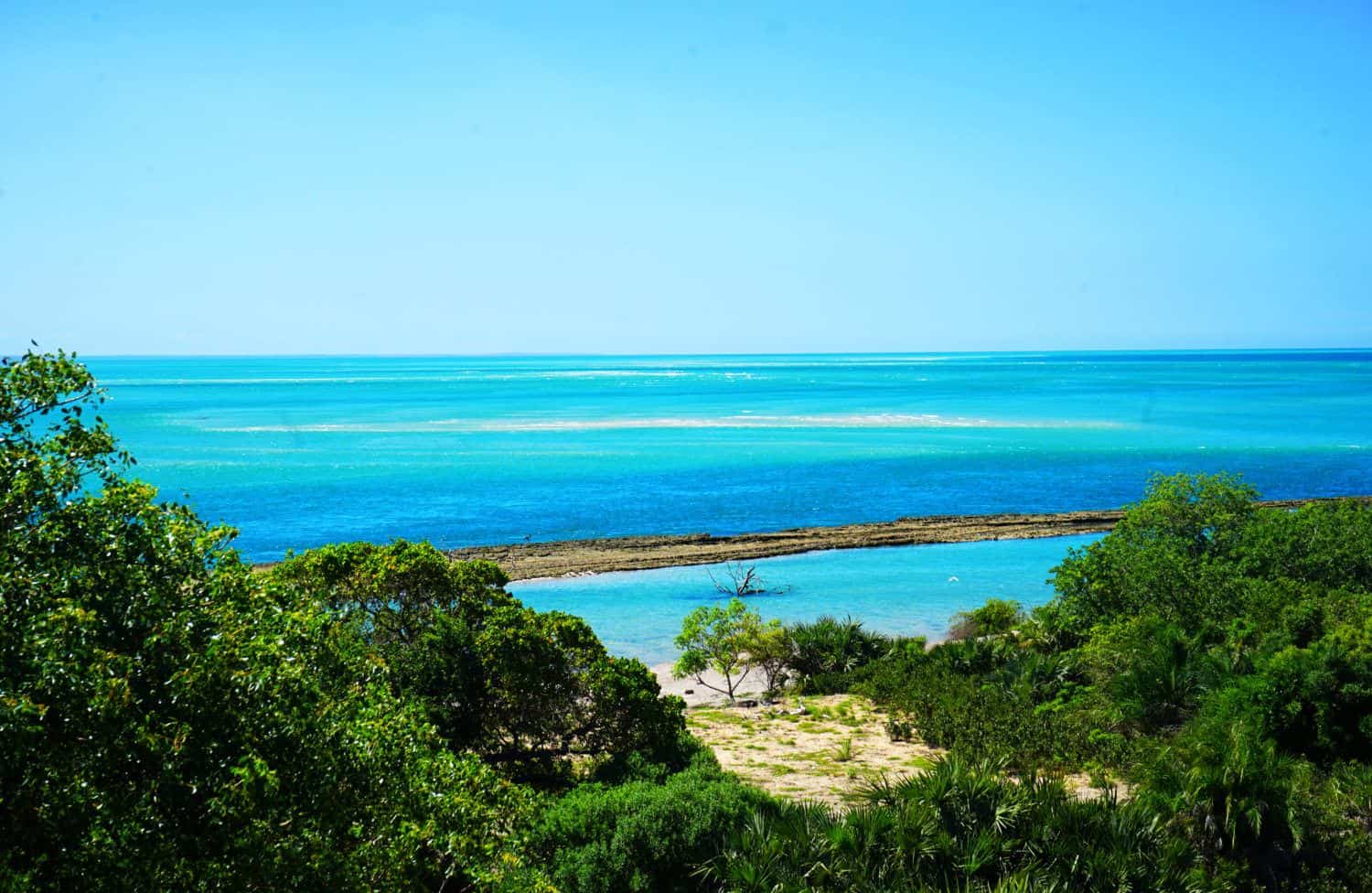
I was surprised when I touched down in Mozambique and discovered that hardly anyone travels alone in this country. The travellers I met were shocked that I was brave enough to visit solo — but I certainly didn’t feel brave! People would tell me that I was adventurous, and I’d just be there, having no idea that me going to Mozambique was a Big Deal. (Because, honestly, it really wasn’t).
As I’ve visited more and more countries (I’m up to over 100 now!), I’ve come to discover that lesser-visited countries are some of my favourite to explore — and that they’re some of the easiest in which to make friends.
Think about it: if you’re sitting in a guesthouse in Paris, you’re just one of 200,000 tourists in the city that day and you’re far from different to anyone else. If you’re hanging out in a beach bungalow in Vilanculos, odds are, you’re going to be surrounded by more adventurous travellers who all have an interesting story to tell. That’s been my experience, anyway.
I’ve made some of my best travel buddies in some of the least-visited countries in the world, and I always love hearing about what brought them to a country that isn’t on the main tourist track. In my experience, other tourists feel the same way, so it was never hard to strike up a conversation and make new friends.
The travel community in Mozambique felt really tight-knit, with everyone looking out for everyone else and sharing tips and tricks for making each others’ journeys more enjoyable.
TAAG is a Good Way to Get There for Cheap

I scored some bargain flights from Angolan airline TAAG, which made it super-affordable to visit Mozambique from Europe.
I highly recommend keeping an eye on their flight prices and making note of when they’ll be having any sales. At around €350 return from Lisbon, Mozambique was cheaper to fly to than many European destinations would have been!
And Angolan Airlines were actually great. They have an excellent safety record (and meet stringent EU flying requirements), and I found the flights as comfortable as any airline can be in economy class. And the layovers at Luanda Airport went smoothly, too.
Low Season is Slow Season
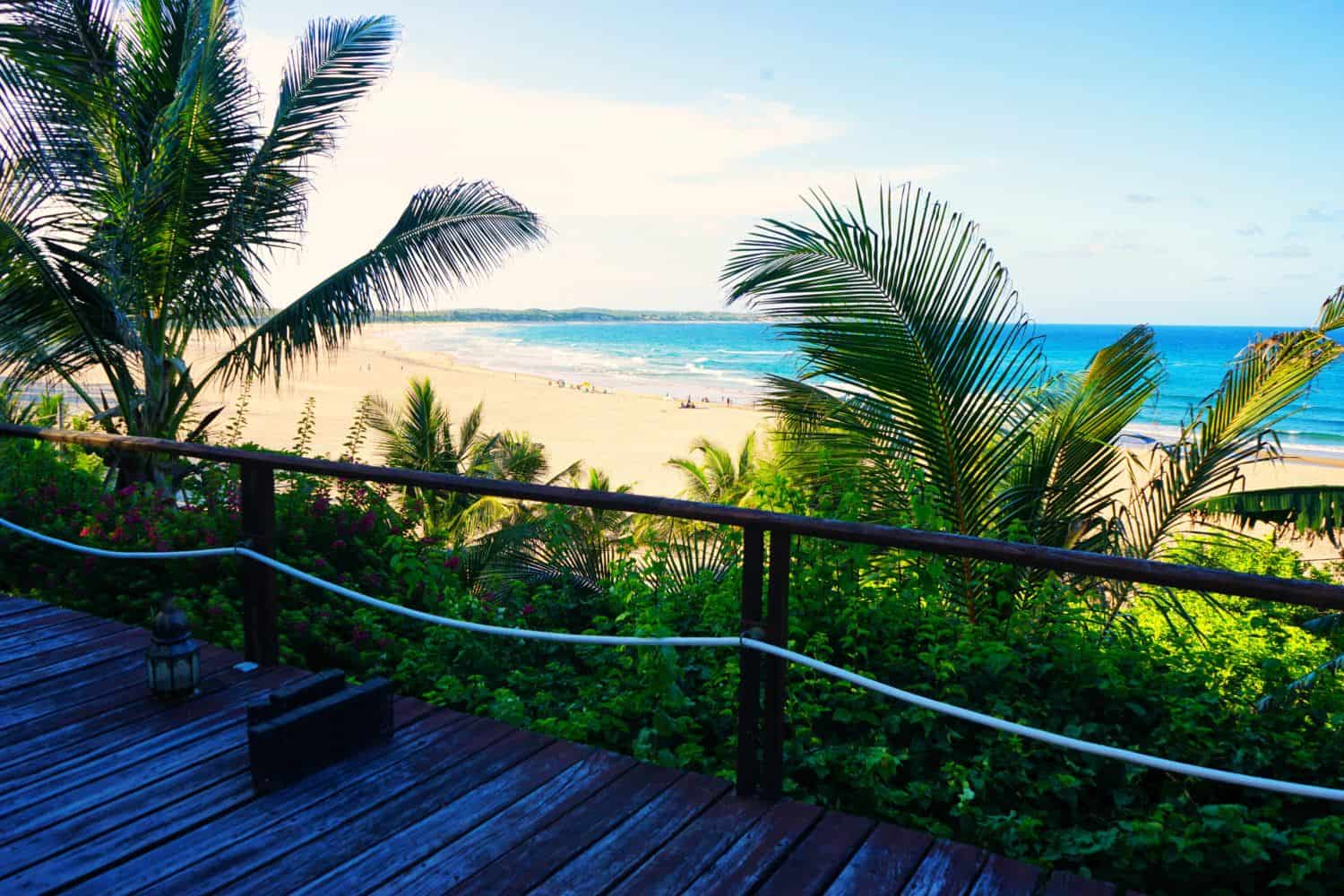
I was concerned about visiting Mozambique in January, the wettest month of the year, but guess how much rain I experienced? One afternoon in Maputo that lasted for an hour, and an overnight thunderstorm in Tofo. That was it! Just as in Southeast Asia, I learned that the rainy season isn’t actually a terrible time to visit: the prices are cheaper, there are fewer tourists, and the rain isn’t frequent enough to spoil your vacation.
The rainy season definitely puts off many travellers from visiting Mozambique, though. In Maputo, I wandered around for six hours and didn’t see a single tourist. In Tofo, I would head down to the huge beach each afternoon and find myself sharing it with maybe three other people. When eating at restaurants in Vilanculos, my group of friends and I would often be the only people eating in the restaurant.
It sounds kind of boring, but it was actually fascinating. Imagine going to somewhere like Koh Phi Phi and having the entire place to yourself. In Mozambique, it’s possible!
If you’re aiming to visit Mozambique in the rainy season, be sure to keep an eye on the weather reports before you visit, and ensure you have comprehensive travel insurance that covers natural disasters and cancelled trips. I use and recommend SafetyWing for trips to Mozambique, as they cover you in these situations.
Take Your Anti-Malarials
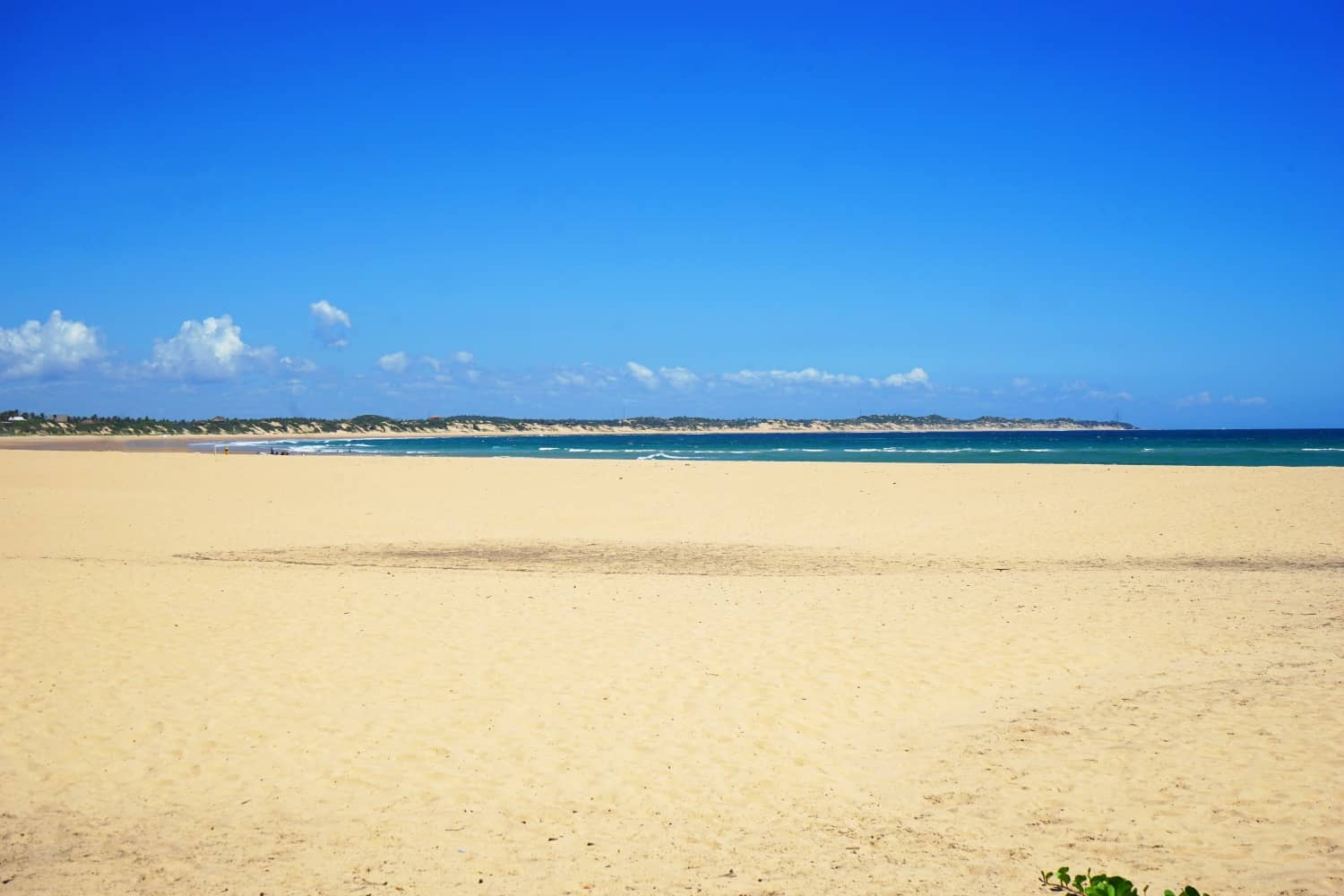
I’d never taken anti-malarial tablets until I went to Mozambique, for the simple reason that none of the countries I was visiting were deemed high-risk, and dengue was more of a problem in them, for which there is no prophylaxis.
Well, Mozambique is high-high-high risk for malaria. Like, it’s one of the top five countries affected by malaria, with its prevalence ranging from 46% for children in rural areas to 17% in the cities. To my shock, 26% of hospital deaths in Mozambique are due to malaria and every single local and expat I spoke to had contracted it a dozen times or more. When I was researching early malaria symptoms, a significant amount of the people commenting in forums had contracted it in Mozambique, which didn’t exactly put my mind at ease!
The risk of malaria is real in Mozambique and you can die from it. Anyone who says anti-malarials are worse than malaria itself has never had cerebral malaria, which is a complication of a specific malaria parasite that is most prevalent in Mozambique. Cerebral malaria causes your brain to swell, which can lead to permanent brain damage, and also causes liver failure, kidney failure, rupturing of the spleen, fluid in the lungs, and death.
Take anti-malarials!
Malarone and doxycycline are both effective in Mozambique and I’ve never experienced major side effects with either.
It’s One of the Best Places to Dive on the Planet
Mozambique is all about the megafauna, with tons of whale sharks and manta rays visiting Tofo year round, and dugongs popping up every now and then near Vilanculos. I even got to swim with humpback whales and dolphins on an ocean safari in Tofo!
Let’s be honest: I’m not a diver, so I can’t speak from personal experience, but the vast majority of visitors to Tofo are there for the diving, and everyone I met couldn’t stop gushing about how mind-blowing it was.
For me, I settled with some snorkelling in both Tofo and Vilanculos, and the latter was some of the best of my life. I got to swim with an octopus, trumpetfish, parrotfish, stonefish, and a bunch of other colourful fish that I couldn’t identify but ogled at nonetheless.
Maputo Isn’t Going to Be the Highlight of Your Trip
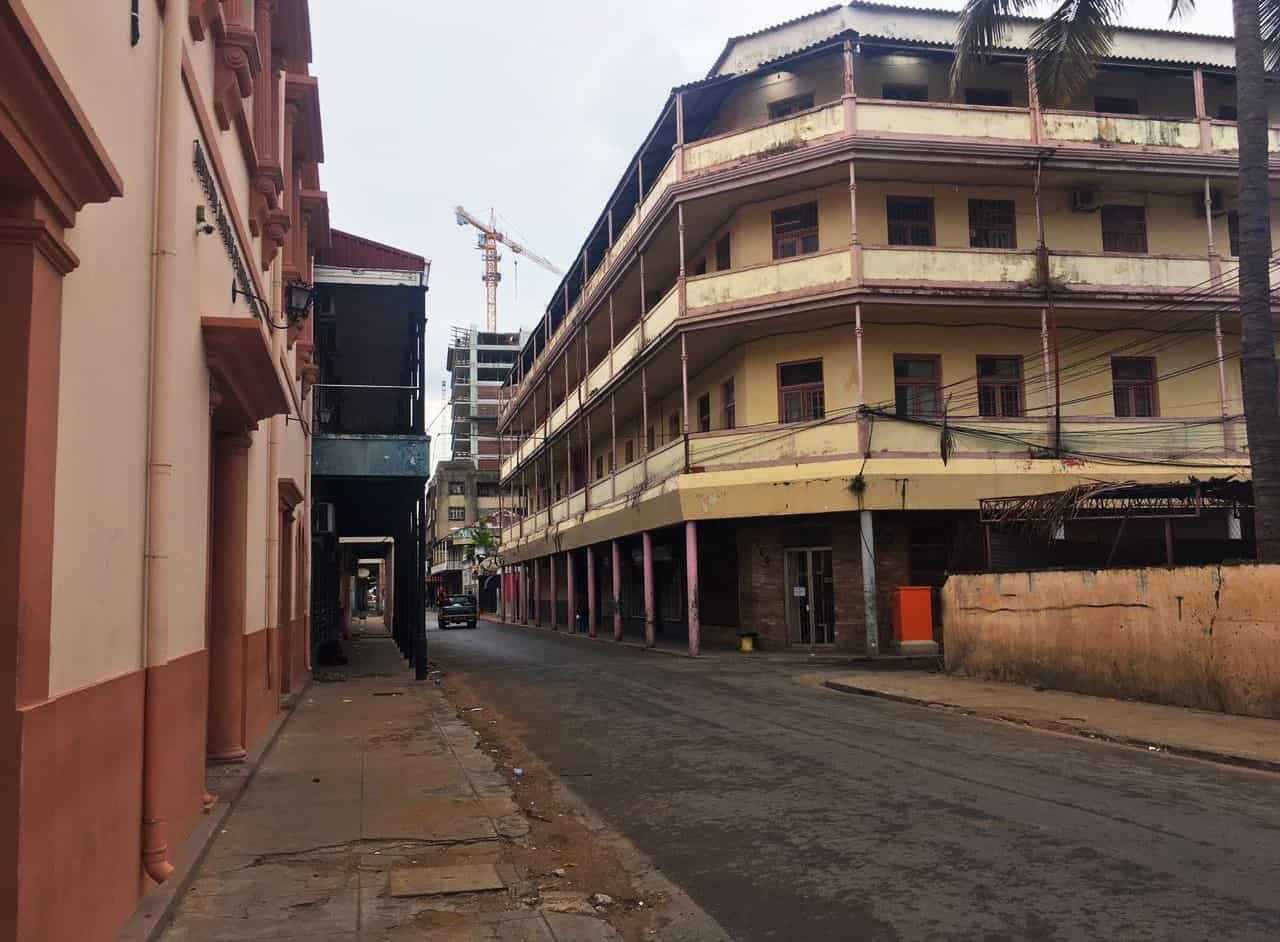
Oh man, I didn’t like Maputo.
I hate saying that I hated a place, but I really didn’t vibe with Maputo.
I gave myself three days in the capital city, something that drew nothing but winces from fellow travellers when I shared this fact. Quite frankly, it was two days too long, as the vast majority of tourist sites can be seen during a day of wandering.
Guys, I’ve spent a lot of time in developing countries — including India! — and I barely notice trash in the streets, but in Maputo, it was everywhere! On every single street I walked down, even the most popular ones in the centre of the city, it was all over the place.
The street harassment was intimidating, too.
Men would drive their cars alongside me, calling me baby, then pull over, get out of the car, and follow me down the road! So many men that I passed on the street would call me sister or mama or click their tongue at me. My guidebook said that walking along the red light district during the day was safe and interesting, but it resulted in a bunch of prostitutes shouting at me — haha.
I think, however, I made a mistake in my trip to Maputo. I really do believe I’d have had a much better time if I’d spent my first day on a walking tour with a guide. This would have helped introduce me to the chaos of the city with a local keeping me safe, would have helped me see the main tourist attractions without having to deal with harassment, and help me get a better sense of what this city is really about.
Maputo walking tours are reasonably priced, and there’s actually some really interesting options to choose from. There’s a street art walking tour (€40), a downtown Maputo walking tour (€31), and a Maputo art and architecture tour (€31). I obviously can’t vouch for any of these, but I would happily sign up for any of these tours and believe I’d have had a better time if I’d done so.
Having said that, the delights of Mozambique are still most definitely outside of its capital.
The Beaches are Spectacular
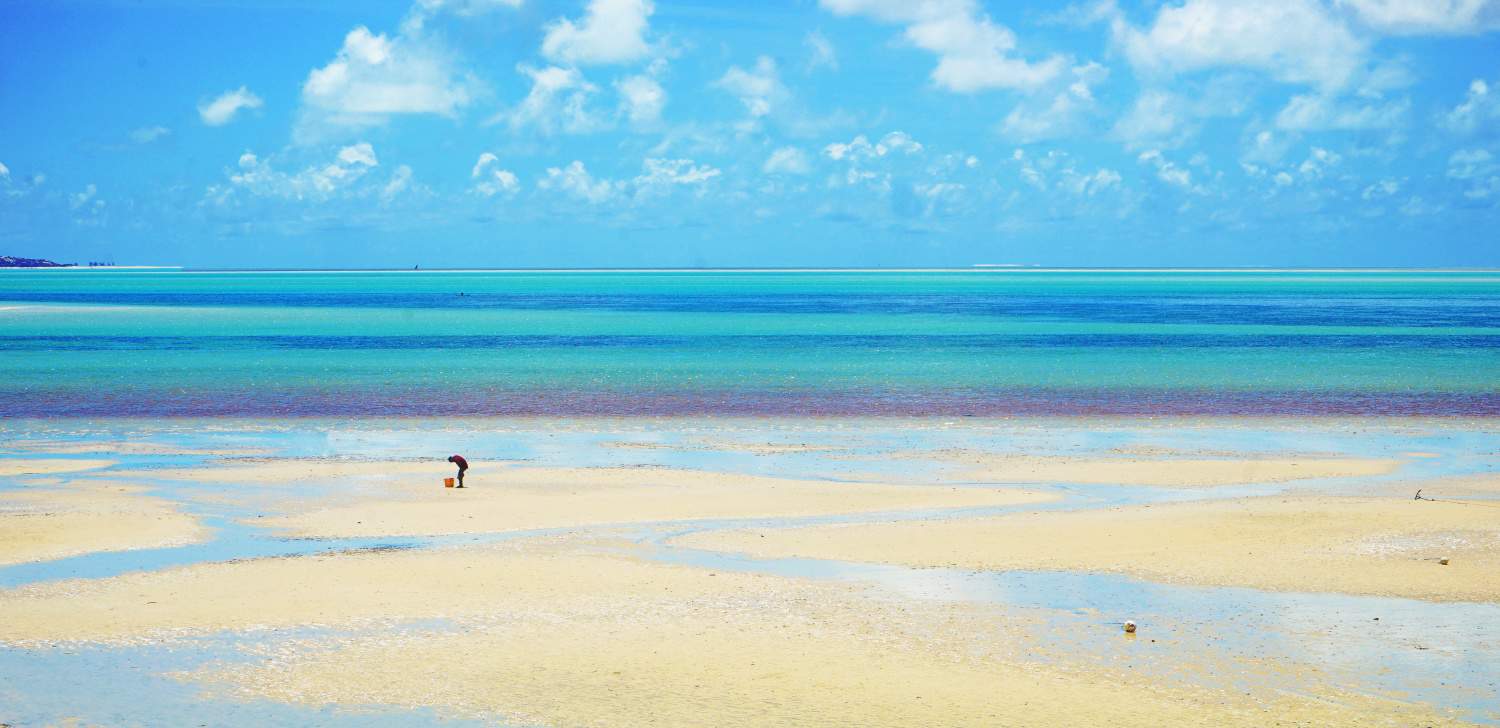
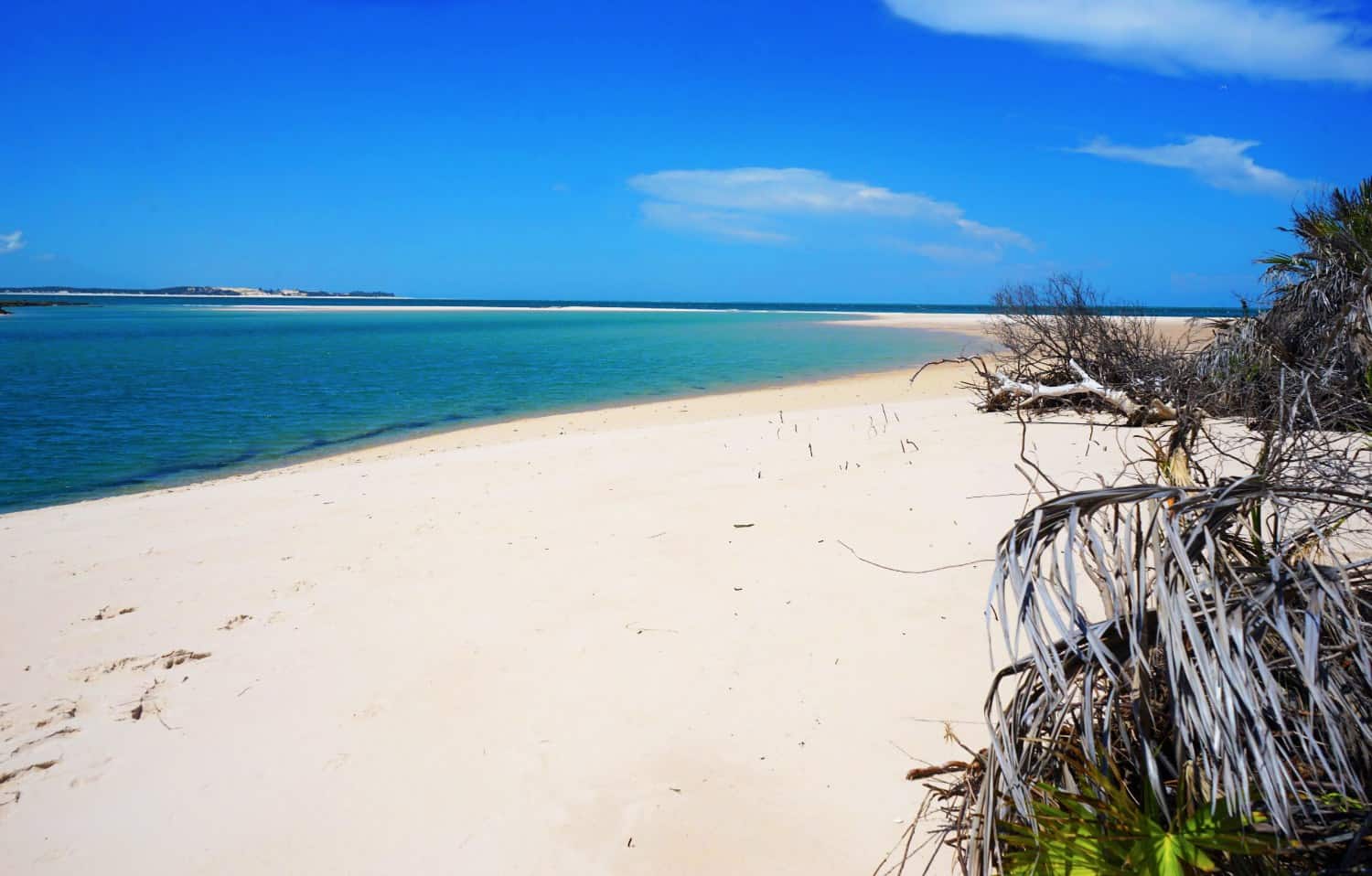
Mozambique has some of the best beaches in the world, and the absolute best thing about them is that on most of them, you’ll have them all to yourself!
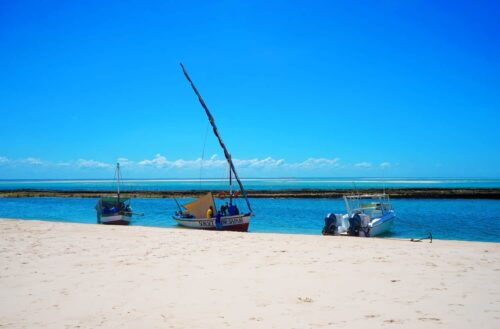
My favourite beaches were in Vilanculos and the Bazaruto Archipelago. This part of Mozambique is all about the sandbanks, and at low tide, you can walk out across them for hours if you wanted. It’s like being on another planet.
You Can Get By Without Speaking Portuguese
I was concerned about my lack of Portuguese language skills beyond the basic Portuguese I use while living in Lisbon, but I needn’t have worried. I encountered very few language barriers within the country and 95% of the people I ran into spoke great English.
It’s supposedly harder to find English speakers in the north of the country, but as it’s not currently safe to visit this part of Mozambique, you should be totally fine in the south.
Chapas Will Make You Cry Sweat, But There are Alternatives
Imagine a humid minivan with terrible suspension, bumping its way along pot-holed roads on a thirty degree day. Now imagine filling it with 10 times more people than the recommended capacity, until you’re all packed in the back like sweaty sardines. Maybe throw a child on your lap and some smelly food in there, too. Now, get the driver to rip you off on the price and have the local men start calling you baby and asking if you can take them back home with you.
That’s a chapa and it’s the cheapest way to get around the country. They are also awful, so don’t be surprised if after your first ride, you swear off them and opt for flights and private transfers to get around.
Which is exactly what I did.
Mozambique is Pretty Affordable
I wasn’t sure what to expect for affordability in Mozambique, as Africa isn’t the most inexpensive of continents, but I ended up pleasantly surprised.
Accommodation is where most of your money will go in Mozambique, unless you’re cool with dorm rooms. For a guesthouse with a swimming pool in Maputo, I paid €65 a night, for a fancy property in Tofo that was one of the best places I’ve ever stayed in, I paid €72 a night, and for a chalet at a guesthouse in Vilanculos, I paid €70 a night, although they had dorms there for as little as €11 a night.
Transportation varies depending on your level of comfort. If you wanted to travel between Tofo and Vilanculos, you could pay €4 to take several chapas and a ferry, €120 to hire a private driver to take you there, or €80 to fly there. Some people opt to hitchhike in Mozambique without a problem, but I didn’t try it while I was there.
And food is cheap, cheap, cheap! You can expect to pay around €2–3 a meal, or €10 if you’re in a fancy, sit-down restaurant for tourists. A beer is a couple of dollars.
Activities can be pretty pricey, depending on where you book them and how many people you’re traveling with. I had to turn down a lot of activities I was excited for because as a lone traveller, I was told I’d have to pay double to take any tours. It’s therefore best to stay in hostels and take their tours if you’re travelling alone. For a snorkelling ocean safari in Tofo, I paid €55, and for a day in the Bazaruto Archipelago, I paid $50.
I wrote an in-depth guide on how much it costs to travel Mozambique that’s worth checking out, as well as budget breakdowns for the hundred countries I’ve been fortunate to have visited so far.
You’ll Still Want to Get Good Travel Insurance
If you’ve read any other posts on Never Ending Footsteps, you’ll know that I’m a great believer in travelling with travel insurance. I’ve seen far too many Go Fund Me campaigns from destitute backpackers that are unexpectedly stranded in a foreign country after a scooter accident/being attacked/breaking a leg with no way of getting home or paying for their healthcare. These costs can quickly land you with a six-figure bill to pay at the end of it.
All I can offer is anecdotes, but even with my fantastic experiences, Mozambique is still more of a hardcore travel destination and there are horror stories online. In short, if you can’t afford travel insurance, you can’t afford to travel.
Travel insurance will cover you if your flight is cancelled and you need to book a new one, if your luggage gets lost and you need to replace your belongings, if you suddenly get struck down by appendicitis and have to be hospitalised, or discover a family member has died and you need to get home immediately. If you fall seriously ill, your insurance will cover the costs to fly you home to receive medical treatment.
I use SafetyWing as my travel insurance provider, and recommend them for trips to Mozambique. They provide worldwide coverage, don’t require you to have a return ticket, and even allow you to buy coverage after you’ve left home. If you’re on a long-term trip, you can pay monthly instead of up-front, and can cancel at any time. Finally, they’re more affordable than the competition, and have a clear, easy-to-understand pricing structure, which is always appreciated.
With SafetyWing, you’ll pay $2 a day for travel insurance.
Mozambique: One of My New Favourite Countries!
I love, love, loved my time in Mozambique and I’m already planning my return trip.
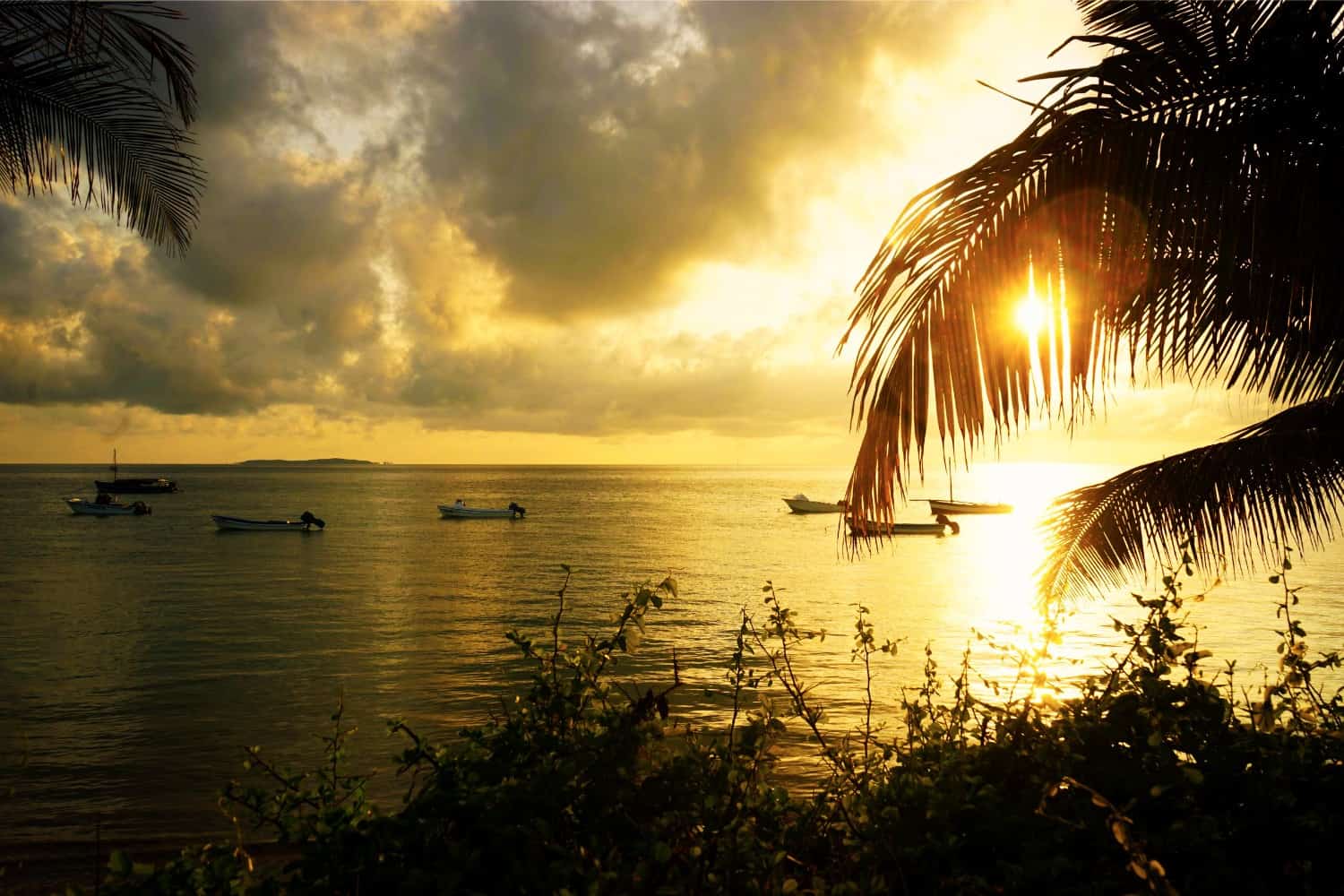
The beaches are wonderful, the locals are friendly, the food is delicious, and did I mention the beaches? It’s worth going to Mozambique just for them.
Have you been to Mozambique? If not, would you like to go one day?
Related Articles About Mozambique
💰 How Much Does it Cost to Travel in Mozambique?
🏖 Introducing Tofo: My African Beach Paradise
🏝 A Perfect Day in the Bazaruto Archipelago
Make Never Ending Footsteps a preferred source in Google so you can see more of my travel guides.
Stunning photos. I had no idea Mozanbique was so ‘tropical’ :)
x
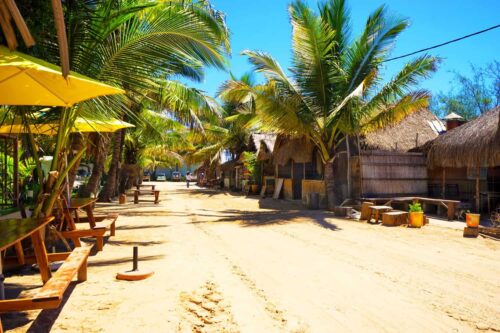
Thank you :-) I was surprised by how many palm trees there were in Mozambique — they were almost everywhere!
What a beautiful place! I haven’t travelled to many places but I have big plans and Africa was never somewhere I’d considered until my cousin actually cut her Australian working holiday short to return to Kenya and South Africa after only a couple of months!
I love that you’re exploring the lesser travelled places :) It’s totally helping to expand my options in the future!
I’m so happy to hear that! I always like to check out places other travel bloggers don’t often choose to visit, and Mozambique ended up being one of my best choices so far :-)
Great post! You’ve got me from knowing nothing about Mozambique to wanting to go, and that feeling achievable. What’s the food like??
So good! Lots of spicy seafood :-)
This post is so incredibly comprehensive! It gives such a good view of what travelling in Mozambique is like! I’ve been hearing people talk more and more about Mozambique even though Dutch travel advice remains negative for the most part. Thanks to your post I feel much more excited to visit it one day!
I’m excited to hear that! :-)
Thanks so much for this Lauren! We are thinking about Mozam and Tanzania for our next trip and this definitely fills in a lot of the gaps regarding tourist info for the country. What is the wifi like there?
You know, the Wi-Fi actually wasn’t too bad! Every accommodation I stayed in had Wi-Fi (as well as pretty much every property I looked at), so you’re likely to have access wherever you stay. Speeds weren’t amazingly fast, but I was still able to have a video call with Dave every few days. I had good speeds with an eSIM, too.
Everything you write about Mozambique was true. From the trash in Maputo to the wonders on the cost line. And I do share the hate from Maputo.
Hey Nadir! Yes, African capital cities can be a bit difficult to love, can’t they? But that coastline? Immaculate.
Wow! Great blog post. Looks like that’s another place added to the bucket list! Thanks, Lauren!
Yay! :-)
I’m looking for some advice on whether I would be safe in Mozambique as a young white man, as I would clearly look like a foreigner and am worried whether I would be targetted because of it. I would be volunteering in a local school near Maputo for around 6-8 weeks, staying with Mozambicans during that time. I’ve heard/seen conflicting evidence that Mozambique is safe to visit/is dangerous with high crime levels (involving violent robbery etc) from forums and the western embassies travel advice. For instance, the chances of being targetted as a victim of crime are about the same as a major US city, although most visits are trouble-free. Is it worth the risk? It truly looks like an incredible place.
Hey Brett. I would say that if you’re going to be staying with locals, you don’t have too much to be concerned about. The people you’ll be staying with will be able to give you more specific safety guidance, so that you can be well aware of what to look out for and avoid. And it is true that the vast majority of visits to Mozambique are trouble-free. I would go if I was you, as it sounds like a fascinating experience, and I hope you have a great time if you do! :-)
Hi Lauren,
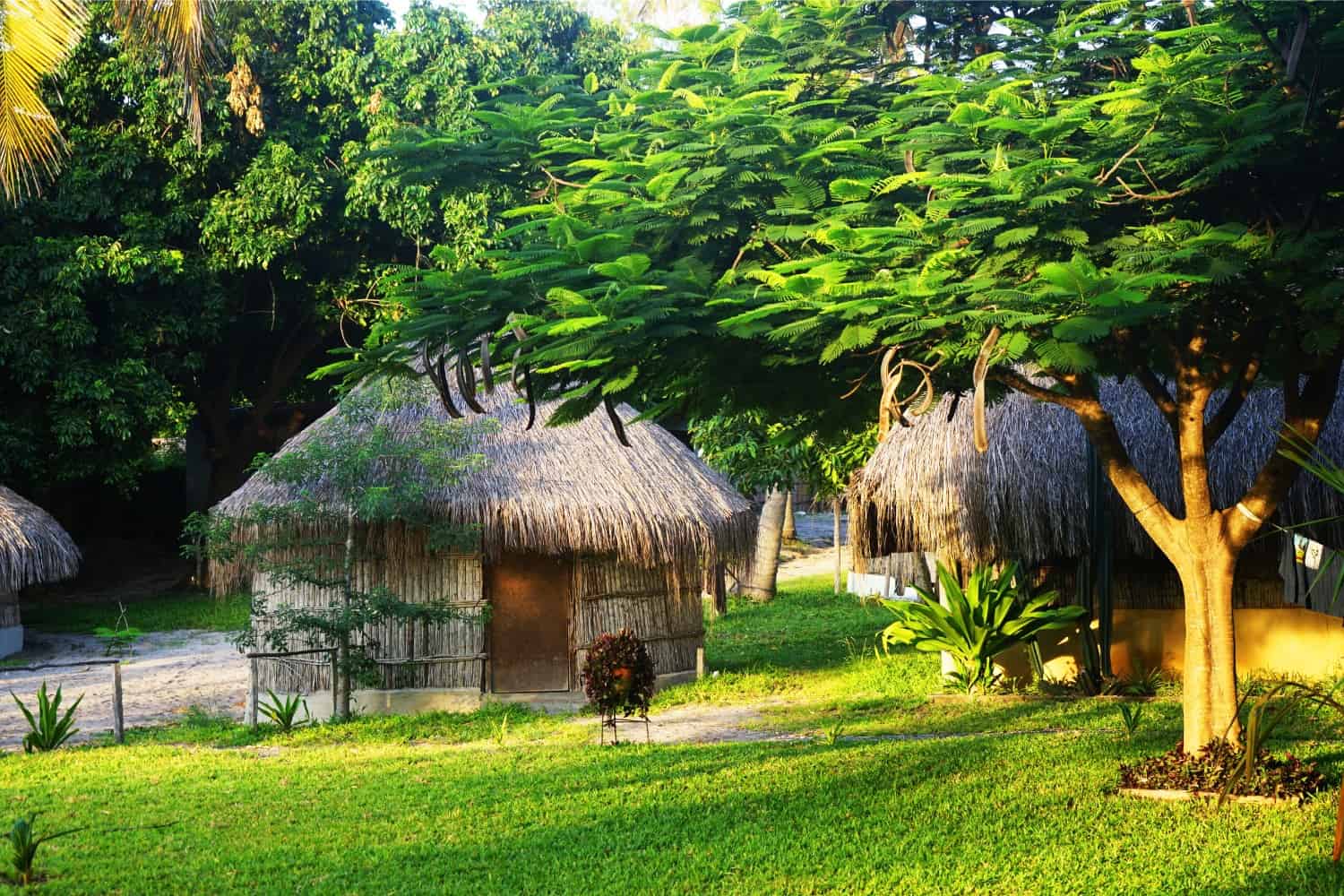
Wow . Incredible article . Mozambique is truly beautiful. The coconut trees , beaches and banana leaves remind me of Kerala, my home state. The sea color is better but. The small huts are fascinating. Added to my list of travel
And Kerala is high on my list of destinations to visit! I hope to get there later this year :-)
All big cities are kind of dump. Specially in Africa. You can see the same situation in most of the big cities in the central and south Africa region. South Africa, Mozambique and Tanzania are the best examples of that.
Mozambique has some problems into bringing tourists in, although it’s a nice place to visit. But I wouldn’t visit it alone, as you did. I went there with a group of friends.
Although I have to say, I haven’t felt less secure than on the outskirts of Athens or Istanbul. So maybe it wasn’t that bad.
That’s so true, Amelie! I hadn’t heard good things about Africa’s capital cities before arriving, and the reality met my expectations. Like you, I didn’t necessarily feel unsafe when I was in Maputo, and nothing bad happened, but I was still on-edge while I was there and relieved to leave. There are much better places in Mozambique to spend your time in!
I would love to go to Mozambique one day – I’m a scuba diver and have indeed heard it’s amazing there! I’m actually headed to Eastern Africa for a few weeks this summer, and initially thought I could squeeze in some beach time in Mozambique as well, but this post makes me realise I’ll need more time. Will definitely be referencing this in the future. :)
I think you’d love Mozambique, Brenna! But yeah, it’s a huge country and getting around takes an alarming amount of time.
Great post Lauren! :-) Me and my (now) husband were backpacking Mozambique 6 years ago and the nature didn’t change at all! I bet it developed a bit when it comes to tourism but I don’t think that much, which I think is good to sustain such pristine and ‘naturally beautiful’ places. I remember Maputo not as a super ugly place however can’t diasagree it’s not a place you want to stay for more than 1-2 days. What I do remember what impressed me, was the old scratched portuguese architecture the city still had. We had to prolong our visas (anyway something was with it) and went to some embassy or some diplomatic point – I will never forget how beautiful and nostalgic that building looked like! It was like traveling in time to the colonial era (I guess)!
Mozambique is also opne of my favorite countries although that’s where we were robbed twice (Xai Xai and VIlanculos – in the Baobab Backpacker where you were, the story is really like from the movie but the management changed and everything so no need to write about it).
And for those who really want to backpack that country I do recommend arranging a dhow to Linga Linga island from Inhambane Bay – that was the most adventurous thing I have ever done in my life and the place is nature at it’s finest.
Looking forward to read more about your time in Africa!
Safe travels,
Alex
Thanks, Alex! I’ll have to add Linga Linga to my (very long) list of places to return to in Mozambique! I do think I ended up missing some of the nicer parts of Maputo, but I’m sure I’ll be back sometime soon to take another look around.
I have never been to Africa but I am making it my mission to get there this year! Mozambique surprises me, I didn’t expect it to be as how you described. The sandbanks of the Bazaruto Archipelago looks stunning. I hadn’t realised it was so popular to dive! would love to dive and see the whale sharks!
Parents, DO NOT let your children travel to Africa! – I love this !!!!! It shows how closed minded we can all be when we don’t know much about a place or a culture.
Baobab Backpackers looks like a cute place to stay too! thanks for sharing:)
At times, I felt like I was the only tourist in Mozambique who wasn’t diving, so you’ll be in good company if you’ll be heading underwater!
I always tell my readers that they shouldn’t take travel advice from people who haven’t been to the country they’re travelling to. That doesn’t mean being ignorant to potential risks and dangers, but that you should always talk to people who have actually been there, because they know what it’s like. A lot of people treat Africa as though it’s one giant country, full of danger, poverty, and war, without realising it’s a diverse continent with many countries that are most likely safer than their hometown!
Fascinating read, Lauren. Hoping to spend some time in South Africa, Namibia and Botswana in the next two years and I’m now thinking I should add Mozambique to that little list.
Yes! You won’t regret it, Ian :-)
Love this post! Thank you for the insight!
Also – just finished reading your book. Beautifully written!
Thank you so much, RJ! :-)
I’ve never heard of Mozambique until I can across with your blog and I’m happy I get to know it. For sure, people from all around the world will fall in love with warm tropical weather and pristine beaches which stretch as far as the eye can see.
Happy I could introduce you to it :-)
One of my best friends married a Mozambican and now lives there. This was so interesting for me to read from a traveler’s perspective, not just one who lives there. Thanks so much. I now feel more confident about me as a high-anxiety mom, taking my children there.
Oh, how interesting, Leah! I would definitely recommend that you take a trip out to Mozambique to visit :-) Being able to hang out with locals would give you a totally different perspective on the country, I’m sure.
I’d rather go to Zanzibar.
Having been to both places, I would say they’re both worth visiting!
Great to see such a useful write-up. I also really enjoyed Mozambique. It’s not without it’s challenges but the people were great and the seafood was AMAZING. I’d love to go back and visit some of the islands one day.
The spiders though. I saw some really big spiders.
I’m so grateful I didn’t have any personal run-ins with the spiders, but I heard a lot about them from my fellow travellers! Mostly that they’re enormous and will run straight at you. No thank you! Glad you enjoyed the guide and I totally agree with you about the seafood :-)
This is the best post I’ve read so far. My boyfriend and I are on the more adventurous side as far as travelling goes, but I do believe our trip to southern Africa is going to really push us to the edge. And I am still not sure we should make this trek. Maybe you have some quick advice?
We plan to visit South Africa, Botswana, Zimbabwe and then possibly Mozambique, and then back to South Africa. We would only have AT MOST 5 days for Mozambique (travel included), and I understand it is REALLY tough to travel within Mo. We don’t mind “traveling quick” and we often only spend 2-3 days in each place, but if it’s too long or expensive to get to the southern part of Mo from Zim, then maybe this wouldn’t be worth it? I am excited to see the beaches and spend some time in the water (as the rest of our African adventure will be in the cities, or hiking through bush, jungle, etc.), so I guess I am asking if you would say it’s worth the trip? And if so, can you recommend a plan of attack from Zim? None of this is set in stone, I am only a week into planning this, so any advice at all would be amazing!
PS: my favorite beaches BY FAR were in Thailand! Is this better?
Hi Xenia! Thanks so much :-)
Okay, so I will say that while travel in Southern Africa can be more chaotic/stressful/complicated than more-visited areas of the world, like Southeast Asia, it’s likely not as difficult as you’re imagining it to be. As you say, you and your boyfriend are on the more adventurous side, so I’m sure you’ll have a fantastic time in this part of the world. As long as you pack a hefty amount of patience in your backpack and plan for things to take much longer than you hoped, you’ll do well here.
For Mozambique specifically, it’s going to be tight. Not impossible, of course, but with five days including transportation, all it takes is one delayed bus, one slow border crossing, or one the shuttle isn’t running today situation and you could lose a chunk of your beach time. The beaches of Mozambique are beautiful, but the transportation system is far from efficient.
Would you consider flying from Zimbabwe into Vilanculos (or somewhere else in Mozambique)? That’s what I would most likely do, otherwise I think you could end up spending one day on a bus getting to the beach in Mozambique and then two days getting from Mozambique down into South Africa, at which point you only have two days to spend on the beach from your five total days.
If it was me, I’d look into flying and if the flights are too expensive/convoluted, I’d take that as a sign to leave Mozambique for a future trip.
The beaches are very different to the ones in Thailand, so I find it hard to compare the two!
Yesterday I was talking about Mozambique , and the person I was speaking to , just make me feel like visiting the country . And now I found your post and I really like the way you talk about the country .
I travelled a lot , but this time I will travel with a baby so I was wondering if it is a good place to go with a 4 months baby .
I know people would say I’m crazy but with some care and good health insurance I’m not afraid to go there . But I would like some tips .
Plenty of people travel there with children, and travelling with kids is a great way to connect with the locals, too — everyone loves babies, all over the world!
The only thing I would say is that if you’ll be travelling on a budget, like I did, the infrastructure in Mozambique can be quite poor, so you’d struggle to find things like hot water showers and air conditioning in rooms, which could be stressful with a kid. And you’d have to take precautions with malaria, and I’m not sure how you’d do that with a baby (can they take anti-malarials?).
Heading to Vilanculos in a couple of weeks and wanted to say thanks for this post. Definitely the most helpful guide I’ve found on the internet so far! Looking forward to getting out on the water now!
Ah, thank you so much, Agness! That means a lot :-)
This is so helpful! I’m going to be going to going to Tofo and Vilanculos next month. Can’t wait!
You’ll have an amazing time! :-)
Uugghh! This is so helpful, I’m traveling to Mozambique around January next year with my friend and am so glad I bumped into your post alot more things are clearer now. Thanks for writing.
Glad you found it helpful, Jojo! Have fun in Mozambique :-)
When are you going back there Lauren? And how would we get from Joberg to Tofo do you know?
Not sure when I’m returning, but hopefully soon! :-) Your best bet is fly to Maputo and then travel onwards to Inhambane, or you can bus it to Maputo then bus it to Inhambane if you’re on a budget.
Great Blog! Thank you for sharing.
I’m in the midst of planning my solo trip to Mozambique. I’ve got 3 weeks, maybe 4. I’m aiming to do Maputo>Inhambane>Tofu Beach>Bazruto Archipelago>Mozambique Island. Do you think this is too much to fit into that time frame? I also want to take my time to learn how to dive (I’ve done it before but not gotten a certificate). I’m also cautions of going in November/December where it is the start of the rainy season (don’t want to wait until next year).
Many thanks,
Hi Gursh. I would say that that’s a perfect itinerary for the amount of time you have. Here’s how I’d spend the time:
Maputo – 2 days
Inhambane/Tofo – 7-10 days (if you’re learning to dive there)
Bazaruto Archipelago – 4-5 days
Mozambique Island – 4-5 days
And you’ll have plenty of buffer days in there for transportation mishaps.
If diving is a priority, I’d build your schedule around Tofo and treat everything else as flexible. Getting certified will take 3–4 days for your Open Water, and you’ll probably want a few extra fun dives once you remember how magical it is to breathe underwater. Tofo is one of the best-value places in the region to do it, and the manta/whale shark potential is high. That alone could justify 10 days there! It’s a hard place to leave :-)
As for November/December, it is the start of the rainy season, but I visited in January and had great (hot) weather while I was there, with no rain. You’re more likely to get short, heavy afternoon storms rather than constant grey skies, but it will be hot and humid though. Less tourists and lower prices are an added bonus, too :-) It’s obviously a risk to travel at this time of year, but I think you should be fine (the peak of cyclone season is January/February, so it’s not as bad in November).
Awesome read , thank you x I have lived in Tofo with my husband and 3 sons for 13 years , having owned a Dive Centre , Liquid Dive, i am very knowledgable of the tourism stats and wages as well as the safety of living here and now with a private primary school in the area namely, Kingfisher Lake to offer the community i cannot stress how perfect Tofo is for a family or a lone traveller . In South Africa you live in fear constantly . I know of three families and friends who are relocating here from South Africa to Tofo within the next year because in my opinion it is the safest place in southern Africa . They have seen our lives here and how we live and want the same , the freedom , the beautiful beaches , the coconut trees etc . No threat of rape , murder or any other violent crime and the weather is just superb all year round with Humpbacks calving in our bay for 5 months of the year, Mantas , Whalesharks and great surfing and the warm water, we are living the dream…
Cindy, thank you so much for swinging by to leave such a useful comment! In the comparatively short time that I spent in Tofo I would have to agree with you that it felt extremely safe with a strong community vibe. I can definitely see the appeal of making Tofo your home. I can’t wait to return!
Hi Lauren,
I lived in Maputo for 10 years and never had a serious incident as a blonde female, but boy was all the male attention annoying and unwanted! Only to say, not unsafe but definitely a hassle and I was over 45 at the time. I can only imagine if I was a cute YOUNG woman,
I’m glad you loved southern moz, but please come back! You missed the best part of the country! We live and work on Mozambique Island. Nacala and the region are not to be missed. We love our island and it is amazingly beautiful. It was once pretty trashy with dirty beaches but the municipal leaders and others like us have made great strides in cleaning things up.
And FYI. If you didn’t like Maputo, don’t spend more than a day in Nampula.
Lynne, thank you so much for the comment! It’s really good to hear from a former Maputo resident about their safety experiences, too. I will agree that the male harassment can get overwhelming at times in that city!
And I agree that I missed out on so much in Mozambique, and I suspect I’d love the north of the country even more than the south. It’s such a large country with so much to offer, but those distances and overland transportation complications can make it hard to get everywhere!
So in personal experience, once you leave the southern part of Mozambique there is little to no English. So in our future travels, should you choose to travel into the north, I HIGHLY recommend bringing someone who speaks Portuguese or learning some yourself. Please just be careful as you go north since it is not as designed for tourists and could be a much different feel to the trip. Having lived in the North and the south in country for over a year, I have experienced the great difference in needs of Portuguese levels. Also, the roads between the South and the North are extremely rough so flying, while a hassle, would quite possibly be a better option. I’m no tour guide or anything, just a missionary living among the locals who would LOVE to see tourism help these natives provide for their needs more consistently. As for politics, neutrality, friendliness and respect go a LONG way in this country, as I would assume in many other countries too. I hope you return soon. Mozambique is an incredible country indeed!
I’m actually taking Portuguese lessons! :-) Thanks so much for the helpful comment, Monica, as that will be valuable for my readers to know if they’re planning on heading north.
Hi everyone! I’m from Moçambique (Mozambique), I can ensure that is a lovely e beautiful country. For people who are looking for some nature landscapes more like artigo beaches, I would recommend to go to the province of inhambane, there u will find praia do tofo, amazing view!
Arquipélago de bazaruto, it’s very beautiful but a little high cost( for me the best of Mozambique)
Praia da barra.
For those who are looking for a more privacy I recommend ilha magaruque!
At maputo province you can go to ponta de ouro, there you’ll find nic beaches! And if coming for South Africa (RSA) it relatively close from Durban!
About the safety issues, it there some criminality like everywhere(not like the favelas at Brazil or a cartel city in Mexico) , but it nothing that Serious to make not go there!
At the city of maputo people will sometimes stare at you just whit curiosity not intending to hurm you!
If you come driving you may wanna make sure to have your drive license, passport, and everything also, course I have to admit! The police are a little annoying, and some times like bribes( give them any money) ! If you cannot speak Portuguese try to get help from another drivers at the roads but stay in the car!
For know it’s all, and if you decide to come the Mozambique, you welcome! have fun, and enjoy nature!
Plz do not disturb nature, you can enjoy nature without harming it!
Thank you so much for the amazing tips, Ivan! I really appreciate it.
:-)
Pity you didn’t get to see the good side of Maputo, it’s an amazing city, did you go to the art studios? Mafalala? Even amongst the trash and mud there is so much soul.
I didn’t! I really do feel like I screwed up a bit while I was in Maputo, as I didn’t end up seeing a lot of things that people love about the city. Next time! :-)
Hi Lauren!
Wow, what an adventure. Tried to read and digest it all in one go, gave up, but came back to tackle it in smaller chunks at a time.
With 25 years of visiting and guiding and working in Mozambique (based in Johannesburg) etched into my Noddy Badge, I thought I knew it all, but have been enlightened and enriched by your narrative – thanks
Regarding Maputo, ah a difficult one… But wait! Perhaps a comparison with Cape Town may be revealing? I have also lived and studied and holidayed in Cape Town many times. It is simply stupidly stunning, mostly clean, has some crime (bad in parts), but quite a “First-world” feeling about the place. Right now? Well you could play “spot the locals” as it is very tourist trodden with prices to match.
Now to Maputo… Doesn’t have a mountain of the table, or any other, variety – also no beaches worth a tan and a swim. Very few tourists, though and so you may feel isolated and intimidated. Good, this is a sign that your “character”, resilience, receptivity and wisdom are expanding. Keep to that idiomatic “comfort zone” to much and you may as well have walked from home to a nearby bar.
My latest tour around Maputo was by bicycle and this had the effect of making me invisible to criminals, touts and corrupt cops. The real people, by contrast, embraced like a long lost relative and I made fifty half-hour friendships every day.
The street food and music are eclectic and very good and the history a day architecture are astounding.
Don’t dismiss and shun Maputo. Look up “Maputo a pé” on Facebook a day Google and tell Jane Flood that I sent you.
Mike! What a helpful comment: thank you so much!
I definitely agree with you that Maputo has a whole different vibe to Cape Town, and the lack of tourists is a huge plus. It’s interesting to think about, though, because I do wonder if the lack of other tourists led to me feeling less safe in Maputo, as I was very aware that I stood out as I was walking around and I received a lot of attention because of it. When you’re in a country for the first time, it’s difficult to discern whether the attention you’re receiving is friendly and harmless, or dangerous and targeted.
It’s lovely to hear about your bicycle tour around Maputo. That sounds like a wonderful experience!
Such a shame that you hated Maputo. The city has a lot to offer (and good things!). Do not hesitate to get in touch with me when you come back and I’ll give you a tour of the cool places :)
Great article!
Thanks for the offer! I appreciate that :-)
HI Lauren,
Thanks for the candid account of both Maputo and the coast. Its been very helpful in my planning and am now confident that I can travel there on my own! all the best from
Stina
Thank you! Hope you have a wonderful trip :-)
it was an interesting read. My name is leul mamo and i am an Ethiopian from east Africa neighbor to Kenya, Sudan, Eritrea, Djibouti and Somalia. and i plan to stay in maputo, mozambique for a little more than a month on a volunteering assignment by AIESEC there. It will be my first time to visit, do you think maputo is safe to go there ? since it will be my first time to travel outside Ethiopia…..
thank you, woulds like to hear from you.
Hi Leul!
That’s so exciting — congratulations on your volunteering placement!
In my experience, Maputo felt relatively safe as long as I used common sense. It’s not a place where I’d wander around alone late at night or flash valuables, but during the day I felt comfortable exploring, eating out, and walking around busy areas. Like most cities, it’s more about being aware than being afraid. Since it’s your first time travelling outside Ethiopia, my biggest advice would be:
Arrange airport pickup if you can, especially on arrival
Ask your host organisation which neighbourhoods are best to stay in
Use taxis or Bolt at night rather than walking
Keep copies of important documents on your person
Also, because you’ll be there for a month, you’ll likely get local advice from colleagues and other volunteers, and that’s always more useful than anything I can tell you from a short visit.
Maputo has great food, friendly people, and a really interesting mix of African and Portuguese culture. Give yourself a little adjustment time at the start, as the heat, language (Portuguese), and pace can take a few days to get used to, but I think it will be a really rewarding first international experience.
I hope you have an amazing time! :-)
Hi Lauren,
I’m amazed by the blog, I am Mozambican, was born in Inhambane. I used to climb those palm trees to get coconuts for preparing meals, the beaches were my font of food, used to fishing with lines and nets, sailed on those sailboats for long. Due to my profession had to leave that beautiful coastline to the northwest, exactly in Tete. This place is hot and nothing compared to Inhambane, Gaza, Sofala, Zambezia, Nampula and Cabo Delgado.
Andre
Hi Andre! Thanks for stopping by — the way you describe Inhambane has me itching to book my next flight to Mozambique. It really is an amazing part of the country.
I’m happy to read your review of the south. I visited the north a few years ago, since my cousin has a large fisheries on Cahora Bassa Lake. I’m planning my next trip this December and have been trying to figure out the best way to travel.
I could fly to Harare and travel with them via Zimbabwe, but that’s what I did last time. I’m thinking about flying into jo-berg and renting a car or flying to Mozambique. I’m looking for more adventure a deeper locals experience than traveling with my well off relatives.
Do you have any thoughts? Might be good to fly into the north and then travel around by bus?
Hi Heather!
Flying into Joburg and driving into southern Mozambique would be a great option, as it gives you freedom without long, uncomfortable, tiring bus days, plus spending time trying to figure out timetables/routes/logistics. Tons of visitors to Mozambique rent a car, as the roads are generally in great condition. I’d probably go with that option, as you’ve already spent time in the north, so it would be fun and interesting to see a different part of the country this time around.
Hi Lauren — thank you for the write up! Would love it if you could share your itinerary. Happy travels! :)
Check out my post about how much it costs to travel in Mozambique — it’s covered there.
Hi how are you?
You describe very good the country, you give also a lot of informations and tips.
I live in Mozambique Island next time you should to come here, you ll love it maybe more then the south.
Best wishes
Kyra
That was undoubtedly my biggest oversight from my time in Mozambique! I’m looking forward to heading there on my next visit :-)
Fantastic blog post! Thanks for sharing :)
One of the things I have always wanted to experience was diving with whale sharks and Tofo beach looks like the perfect location for that! However, the only thing holding me back is the malaria issue in Mozambique. I have read many blog posts and articles about this, but opinions vary a lot and I am finding it very had to make up my mind :/ I’m not sure if it is worth taking the risk…
Hi Gigi! I know what you mean, as malaria is a big problem in Mozambiqiue and I was pretty spooked by it while I was there, especially as I did get bitten. Fortunately, no malaria, though!
So, Mozambique is considered as having a moderate-to-high risk of malaria pretty much everywhere, including beach areas like Tofo, and especially during the rainy season that runs from December to March. Because of that, you are recommended to take anti‑malarial medication if you’re going there, and combining it with bite‑avoidance measures like DEET, nets, long sleeves at dusk/dawn, etc.
I took Malarone (which has the least amount of side effects for most travellers) for the entirety of my trip, and was reassured that its effectiveness is 95-98% in people who take it correctly (at the same time every day). I also used DEET and covered up in the evenings, and all of my accommodation provided mosquito nets for guests.
All that to say, if you’re happy to take antimalarials, I don’t think you need to worry about the risk. The chances are very low if you’re taking the tablets while you’re there:-)
I am a Nigerian and i have always loved the idea of travelling to a Portuguese speaking countries from my bucket lists that included Angola, Mozambique, Cabo Verde Island, Sao Tome & Principe and lastly, Equatorial Guinea but i found your post on Mozambique to be interesting and i would love to visit the country sooner.
Thanks Lauren for the information
No problem! Hope you make it to Mozambique :-) A lot of the countries you listed are on my list of places to visit, too!
Great post! Thank you for sharing this. Definitely, I’m looking for a destination for my long trip next year. :) Mozambique is now written on my travel list.
Thanks, Kim! I can highly recommend Mozambique :-)
Thank you so much. This article was really helpful. I wanted to do my Divemaster in Tofo and was initially so scared. The usual cliches you know :-) But your article really helped to prepare and see for myself that I should just go for it! I ended up staying half a year in Tof and worked as a Divemaster and really loved the time. Thank you Lauren!
That’s amazing! You’ve made my day :-) I’m so happy you ended up loving Tofo.
Wow! This is so informative, I will travel to Mozambique with my friends around April next year, and i was share your post with them. We can’t wait for it now.
I’m thrilled to hear that! And jealous you’re going to be heading to Mozambique :-) You’re going to love it!
Love the post Lauren! You seemed to have really enjoyed your time visiting Mozambique. I actually didn’t know what to expect from this place as well as a destination but your post has shed some light on that. In fact, it’s making me think of traveling here the next time I get a vacation leave! I didn’t know this place was a hidden gem awaiting to be discovered. Happy travels!
Yes, it has so much to offer visitors, and some of the best beaches in the world! It’s one of the few countries not be suffering from overtourism, too, which gives you even more reason to pay it a visit.
Fab blog and some great advice too! We send volunteers to Tofu Beach to help with the marine conservation (scuba diving and snorkelling) When I first visited a couple of years ago with a Portuguese friend (who had been lived in Mozambique as a child) we were both so impressed with Tofu Beach and the whole vibe of the place. Definitely one of my favourite places!
Tofo is one of my favourite beaches in the world. I can’t believe it’s not more popular and well-known, but I think it’d lose some of its magic if it became crowded with tourists.
I loved this article! I have lived in Zimbabwe for some time, because I have family there and I always wanted to go to Mozambique. But my family talked me out of it, saying that it was too dangerous for a white girl alone (which I hated, but I complied anyway). Im flying back to Zimbabwe this September and I plan to drive though Mozambique this time! Any advices on traveling by car?
Hi Veronica! Check out the DriveMoz group on Facebook: they have so many useful resources for driving in Mozambique and will be able to help you out better than I can :-) Hope you have a fabulous time in Mozambique! You’re going to love the beaches.
Hi Lauren!
What a great article! I was just very curious which hotel you stayed in Tofo, as it looks amazing! Hope you want to share it with me!
Greets,
Karlijn
Baia Sonambula! It was incredible!
Hi,
Fantastic post. I am planning to visit Mozembique in November. Im from the UK, and can not find any information about visa on arrival. Can you shed some more light this?
Thanks
Just turn up at the airport! They’ll give you the visa there at immigration.
Good morning, last week i visited my friend in Maputo and we drink a really tasteful drink. I dont remeber the name, but i loved so i need to find it. I looked at a list of energy drinks in Mozambique but cant find it. The can was really colourful, i think there were some leaves or flowers on it and it has a fruity taste. Does somebody know the name?
Is it Kabisa?
Loved your reporting, sounds like quite an adventure! I have a question that might sound odd but I have heard that there are still many landmines along the coastline of Mozambique. Have you heard this too?
No. Mozambique was declared to be free of landmines in 2015.
HI — am hoping to line up with a relief/development group to do some recovery work in Mozambique and travel the length of the country from south to north into Tanzania. Roads reasonable enough to consider doing that?
Hi Ben! That sounds like quite the adventure! Yep, I would say the roads would be fine for that. A lot of people do drive all over Mozambique as tourists and there’s an enormous Facebook group specifically for driving across the country called Drive Moz. I’d join that group to get a feel for the quality of the roads and to ask for specifics, but overall, I think you’d be fine driving the whole way.
Sorry your snorkeling experiences were so challenging. Here are a few tips to improve them: 1) splurge on your own equipment. Go to a dive shop for a mask that’s a proper fit (women have smaller faces than men & rental masks are usually cheap & stretched out from use, exacerbating the problem) & a tube with a valve that keeps water out (a BIG design improvement). Also lightweight fins that actually fit but u can skip them if you don’t have the luggage space; 2) use a bit of toothpaste on a new mask to prevent it from fogging (it worked better than frog spit & other anti-fog sprays we’ve used); 3) if u start to get water in your mask, pinch the nose to drain it (rather than lifting the whole mask up); 4) this is HUGE: if u get water in your tube, clamp down on the ridges of your snorkel tube & blow hard; that will clear it – so much more effective than just blowing; & 5) when entering the water, have your mask on & then put on your fins when it’s shoulder height (rather than walking in backwards wearing them).
Thank you so much for all of those useful tips, Barbara! I agree that almost all of my snorkelling mishaps have been due to ill-fitting masks (and maybe a little from bad technique!), so I really should go and buy my own one to improve my experience in the water.
Thank you
You’re welcome :-)
Hey! Traveling to Mozambique in November and looking for a way of getting from Maputo to Tofo on the ground. Any chance you may know of a company that provides shared transportation so I could avoid the crowded, sweaty public tranpsortation?!?
Fatima’s shuttle would probably be the way to go! Either stay at Fatima’s in Maputo while you’re in town, or you can just call in while you’re in Maputo to book the transportation. Either that or ask your accommodation to book a private driver for you. I did this between Tofo and Vilanculos — I got the hotel owner in Tofo to book a driver for me, and then it was just me on my own in an air conditioned car, which was great! Although I think it was around $100 for the ride, so only something to do if you’re not on a tight budget!
Hey!
I’m planning to go to Mozambique (also solo traveling) in October. I saw your chapas experience and might try it but was also wondering how you found the private transfers after if chapas prove to be a bit too much? Are there drivers waiting around to find someone or did you book it in advance?
Thanks!
I booked private transfers through my accommodation — they’ll usually have the contact numbers of drivers who are happy to shuttle tourists around the country.
We had the most awesome time in Mozambique. Especially remember fishing shrimps with locals and a dutch expat. Then cooking most delicious every peri-peri prawns. Drooling just thinking of it :P
Isn’t the food just incredible there? I miss that fresh, spicy seafood so much!
Thanks for this great article on Mozambique! I visited last year and loved it. However I understand the process for US citizens has changed and is more complicated now. You mentioned that a visa on arrival is still possible? Could you please give me more details on that?
I’m not aware of any changes for U.S. citizens and couldn’t find anything online about it either! If you look at the Mozambique evisa website, it still confirms that Americans can apply for evisas and ETAs through the portal.