Before I arrived in Bulgaria, I had no idea what to expect.
I’d heard rumours it was the cheapest country in Europe. Articles declared it was cheaper than Albania, cheaper than Bosnia, cheaper than anywhere I’d been to in Eastern Europe. At the same time, friends who had visited recently confessed it was pricier than they’d expected, especially in the more popular tourist destinations.
It may have been super-cheap in the past, one reader emailed to tell me, but that’s not the case in 2026.
I was intrigued to see who was right, so promptly planned a trip. I budgeted for Croatian prices, hoped for North Macedonian rates, and what I ended up with was… actually rather inexpensive. I’m talking €1 beers, €5 dinners, and €50-a-night rooms in guesthouses I genuinely didn’t want to leave. Bulgaria still offers great value for money, even with the recent inflation increases.
I was pleasantly surprised.
Was the entire country blissfully budget-friendly? Nope. You’ll definitely find some tourist traps if you hang around too long in Plovdiv’s old town or start bar-hopping along Sunny Beach. But overall, this is a country where your money stretches far.
I spent a month travelling around Bulgaria and visited Sofia, Plovdiv, Veliko Tarnovo, Bansko, Melnik, and a scattering of small mountain towns I still struggle to pronounce, let alone spell. I travelled with my partner, Dave, and we stayed in private rooms, used public transport, ate local food, and stuck to a mid-range budget — not too frugal but not too flashy.
In this guide, I’ll break down exactly how much I spent on accommodation, transportation, food, and activities.
So, is Bulgaria the budget traveller’s dream it’s rumoured to be? Let’s dig into the numbers and find out.
What to Know About Money in Bulgaria

Note that Bulgaria is predominantly still a cash-focused society, so don’t expect to be able to pay by card everywhere you go. In order to be safe, you should expect to pay with cash for all transportation, food, and activities, but be pleasantly surprised if you’re able to pay by card. I was able to pay for 30% of things with my card in Bulgaria, so it’s not impossible but is rare.
With that out of the way, let’s get into specifics.
The Cost Of Accommodation In Bulgaria.
Accommodation in Bulgaria was one area that I felt was disproportionately more expensive than everything else. Let’s start by looking at the cost of accommodation on the lowest end of the spectrum. If you’re flexible with your requirements and travel dates, it’s possible to score yourself accommodation for free.
For starters, I always recommend that travellers take a quick look on Trusted Housesitters before booking any accommodation. There’s usually several housesits up for grabs in Bulgaria, and especially over the summer months. There’s not tons — so odds are, you won’t find something for your exact dates — but you just might luck out.
So what is housesitting?
Housesitting involves taking care of somebody’s house for free while they’re away, often (but not always) looking after their pets, too. This option is best for long-term travellers, digital nomads, or retirees, as you can’t set your own dates and destinations, so you’ll need to have flexibility as to where you go and at what time of year.
If you do have that freedom, though, it’s a wonderful way to cut down your travel expenses, soak up some home comforts, and live like a local for a while.
Another option, when it comes to free accommodation, is WorldPackers, which might be something that appeals to my backpacking readers. It’s a work exchange program, where you can volunteer for locals in exchange for food and board. There are several dozen options on the site right now, from assisting with permaculture farming in a small village to taking care of rescued dogs on a small, sustainable farm. Readers of this site get a $10 discount for WorldPackers with the promo code neverendingfootsteps.
The Cost of Hostels in Bulgaria
If you want to visit Bulgaria on as tight a budget as possible, your best option for saving money is going to be staying in hostels. There are dozens upon dozens of hostels in in this country, so it’s easy to find one that suits your comfort requirements.
The cheapest option? Staying in a dorm. Prices for 6- to 10-bed dorms range between €8 and €25 a night across the country. You’ll pay the highest prices in Sofia (like €19 a night for the excellent Hostel N1), with prices dropping to around €12–15 a night for places like Plovdiv, Veliko Tarnovo, and Varna.
Private rooms in hostels are always a great option for budget travellers. While hostels may not have the best reputation, I’ve stayed in some amazing ones in Bulgaria; ones that were aimed at adults, were super-quiet, ran excellent day trips, and more well-equipped than a hotel.
Private rooms in hostels are priced at around €50 a night in Sofia, Plovdiv, and Varna, but I found Veliko Tarnovo to be particularly inexpensive, where private rooms go for roughly €27 a night.
I use HostelWorld to find the cheapest hostels, as they have significantly more listings for Bulgaria than anywhere else I searched.
The Cost of Guesthouses and Hotels In Bulgaria

Dave and I opted to stay in budget and mid-range properties for this trip. We were looking for places that were in a central and safe location, were rated 9.5 or higher on Booking.com, and offered excellent value for money, with friendly staff and decent internet.
As you’ll see below, this generally meant we spent €50 a night.
I always find it’s helpful for me to list out the properties I chose to stay in on my trips, along with a brief review, so that you can get a good idea of what you can get for your money. Here’s where I stayed on my trip to Bulgaria:
Sofia: Sentro Boutique Hotel (€85 a night)
Sofia is a little more expensive than other parts of Bulgaria, but I really enjoyed splurging during my stay! I opted for the Sentro Boutique Hotel and absolutely loved it! The room was large, air conditioned, and with a desk and balcony. The staff were incredibly welcoming, and it’s in the best location for exploring the city: just one block from the bustling Vitosha Boulevard, within walking distance of all the tourist attractions, but silent throughout the day. I highly recommend staying here!
Veliko Tarnovo: Gile Guesthouse (€46 a night)
Dave and I still talk of our fondness for Gile Guest House! Lovely staff and spacious bedrooms and bathrooms, and immaculately clean. There’s a communal kitchen for guests to use, and the guesthouse is a 5-10 minute walk to the centre of town. There’s parking if you’ll be arriving by car.
The Cost Of Transportation In Bulgaria
Let’s start with the good news: Bulgarian transport is cheap.
The bad news? Taking it makes for a chaotic adventure.
Yes, if you’re the kind of person who thrives on predictability, efficiency, and Google Maps telling you the truth, you may want to brace yourself. Bulgarian public transport has its own kind of vibe, but as long as you’re prepared for delays and discomfort, you’re not going to find it too challenging.
Despite the quirks, I genuinely enjoyed making my way around the country. It’s affordable, safe, and a real cultural experience. Let’s look into the options you’ve got.
Intercity Buses: The Backbone of Bulgarian Travel
Buses are the main way to get between Bulgaria’s cities, and they run pretty much everywhere. There are train services, too (more on those in a minute), but if you’re trying to get between most tourist destinations, the bus will be faster, more frequent, and only marginally more comfortable than sitting on a pile of bricks.
Prices were low across the board. I paid:
- Sofia to Plovdiv: €8.18
- Plovdiv to Burgas: €12.32
- Burgas to Varna: €10.23
- Varna to Veliko Tarnovo: €12.78
- Veliko Tarnovo to Sofia: €13.29
You can expect to spend between €10 and €15 for a bus ride, even if it’s 4-5 hours long. Most locals and travellers will purchase their tickets directly at the bus station (buses are rarely fully booked), but I personally prefer to book online so I know I’ve definitely got a seat.
Most bus companies in Bulgaria won’t allow you to purchase a ticket online, so know that when you use online booking websites, you’re only seeing a fraction of what is available. Odds are, however, that there’ll be enough of them for you to choose a time that suits. You’ll find that BusExpress.bg likely covers anywhere you’ll be planning to visit, but 12Go has a decent selection, too.
Did the buses leave on time? Mostly. Were the buses comfortable? Not particularly. But did they safely get me where I needed to go? Of course!
Trains: The Scenic (and Slow) Option
I have a soft spot for trains — I once took an Interrail trip from Germany to Turkey through 11 Eastern European countries — but even I’ll admit that Bulgaria isn’t going to win any gold medals for its rail network.
In this country, trains are even cheaper than the buses, which is something I found both impressive and a little alarming.
That said, the trains are very slow and very old. Distances that take three hours by bus can easily stretch out to six hours on the rails. The trains are kind of fascinating, though, if you’re someone who romanticises the journeys of a bygone era and don’t have anywhere to be in a hurry. Think: dusty curtains, clunky sliding doors, and absolutely no air conditioning; I wouldn’t recommend it in the heat of summer.
Rental Cars and Driving
I didn’t rent a car in Bulgaria — mostly because I was travelling solo and didn’t feel like dealing with mountain roads and Cyrillic signs — but many travellers do. Car rental prices are around €25–30 a day, and petrol was reasonably priced by European standards.
If you’re planning to visit more remote areas (think monasteries, mountains, and those tiny villages with one cafe and no bus stop), renting a car could be worth it. But be aware: driving standards vary, roads are often narrow and winding, and parking can be a nightmare in the cities.
Inter-City Transportation Options
Speaking of the cities, let’s now take a look at the cost of getting around these destinations once you’ve arrived in them.
Sofia is the only city in Bulgaria with a metro system, and honestly? It’s great. Super clean, efficient, modern, and very easy to use — the polar opposite of what I was expecting after some of the buses I’d taken. A single ticket costs €0.80, and you can pay with your contactless debit/credit card: too easy!
There are also trams and trolleybuses in Sofia, which are… less modern but still cheap and reliable enough. I mostly stuck to the metro because I’m lazy and it was hot, but if you’re into retro public transport vibes, Sofia will deliver.
Other cities like Plovdiv and Veliko Tarnovo don’t have metros, but they do have local buses — none of which I used because there was no real nee to. If you’re staying centrally, everything you’ll want to see will likely be within walking distance.
Taxis and Rideshares
Taxis in Bulgaria are also affordable, but scams are rife, as they are in many countries. Always check that the meter is running, and if you can, ask your accommodation to call one for you. I paid €5 for a 15-minute ride in Sofia, and that seemed pretty standard.
There’s no Uber or Lyft, but there are some local ride-hailing apps, like TaxiMe and Yellow (Sofia-only). I used Yellow a few times in Sofia and found it much more reliable than hailing a cab off the street. No awkward language barrier, no pretending to know where you’re going, no accidentally agreeing to a €30 ride to the airport.
Total Transport Spend
In one month, I spent a grand total of €74 on transport in Bulgaria. That covered all my buses, one train journey, metro rides in Sofia, and two taxi rides.
So, is transport in Bulgaria cheap? Absolutely. Is it perfect? Not even close. But if you’re flexible, unbothered by unpredictability, and open to some quirky old-school charm, it’s a ridiculously budget-friendly way to see the country.
The Cost of Food In Bulgaria
Okay, let’s talk about food. .
I went in with zero expectations, no prior research, and a vague memory of someone once telling me they ate a lot of cheese in Sofia. Now, let me tell you now: that person was not lying! If you’re even mildly fond of dairy, Bulgaria is going to be such a delight. If you’re lactose-intolerant like my partner, Dave, I send my thoughts and prayers.
But beyond the cheese — and there is so much cheese — the food in Bulgaria was hearty, fresh, comforting, and affordable.
Restaurants, Taverns, and Mehanas
I always prioritise local food when I travel, so most of my meals were in what’s called a mehana — traditional Bulgarian taverns that serve up local cuisine in a rustic, vibey atmosphere. These are the sort of places that are filled with aggressively patterned tablecloths, wood-panelled walls, and a menu where 90% of dishes involve grilled meat, yoghurt, or something being set on fire.
A typical meal at a mehana looked like this:
- Shopska salad (Bulgaria’s national dish: chopped cucumber, tomato, and onion, buried under a pile of white brined cheese: €1.80
- Grilled pork skewer with potatoes: €4
- Glass of house wine: €1
That’s a three-course dinner with wine for under €7, and I was full. The portions are big, the flavours are bold, and I never once left a restaurant still hungry.
In touristier cities like Plovdiv and Sofia, you’ll pay a little more — maybe €5–6 for a main dish instead of €7 or €8 — but the prices are still reasonable, especially for the quality. I didn’t have a single bad meal the whole time I was there.
Cafés, Bakeries, and Banitsa
Now, I need to talk about banitsa.
Banitsa is a pastry made with filo dough, eggs, yoghurt, and sirene cheese. It’s served hot or cold, from bakeries or bus station kiosks, and it costs somewhere between €0.50–1.
I ate an inordinate amount of these. How could I not? They’re cheap, filling, cheesy, flaky, and so delicious.
Bakeries also sell other delicious carbs for cheap: spinach-stuffed pastries, meat-filled rolls, and sweet breads dusted with powdered sugar. I’d usually grab something from a bakery in the morning and be good until lunch. Most items cost less than €1.
Coffee, by the way, is also extremely inexpensive. A cappuccino at a sit-down cafe cost around €1–1.50, and the espresso was even less. Just, uh, prepare yourself for some bold flavours.
Groceries and Cooking
I didn’t cook while I was in Bulgaria, because eating out was so cheap that it barely felt worth the effort. I did hit the supermarkets every now and then, however, for snacks and drinks. Costs weren’t as low as I’d expected, so I’d generally recommend against cooking yourself (unless you’re vegan and can’t find much on the menus that appeals).
You can expect to pay:
- A litre of milk: €1
- A loaf of bread: €0.75
- A 500g tub of yoghurt: €0.80
- A bag of local apples: €1.50
- A bottle of decent local wine: €3.50–5
There are local chains like Billa and Kaufland, plus smaller corner shops that somehow carry 83 different types of sunflower seeds and a single wrinkled tomato. I never spent more than €7.50–10 on a grocery shop, even when I was stocking up for a few days.
Street Food and Takeaway
Street food isn’t quite as ubiquitous here as in places like Turkey or Georgia, but it does exist, and when you find it, it’s worth trying. I came across a lot of kebab stands, which were delicious and affordable (around €2–3 per wrap), and a few places selling grilled corn, which I can never say no to.
There are also pizza-by-the-slice spots everywhere, usually costing around €0.75–1.25 per slice — a cheap and easy option if your budget is tight.
Vegetarian/Vegan Food
Bulgaria is not the easiest place to eat as a vegetarian, but it’s not impossible. Many traditional dishes are meat-heavy, but there are enough salads, grilled vegetables, and soups to keep things interesting. If you’re not vegan, you’ll delight in the abundance of cheese-based dishes. Vegan food is trickier outside Sofia and Plovdiv, but if you’re okay with eating a lot of potatoes, beans, salads, and bread, you’ll get by.
Total Food Spend
Over my time in Bulgaria, I spent approximately €185 on food for 10 days in the country. That broke down to:
- Around €3.50 per day on breakfast and snacks
- €5–7.50 on lunch or dinner out
- A few grocery shops totalling maybe €30 across the month
- Many, many banitsas
Could I have spent less? Absolutely. If you’re travelling on a shoestring, you could easily eat for €5 a day by buying street food and eating bakery snacks. But even eating out nearly every day, I stayed well under what I’d spend per meal in Western Europe.
So yes, food in Bulgaria is not just affordable — it’s also delicious, hearty, and extremely underrated. I was a big fan.
The Cost Of Activities In Bulgaria
Bulgaria is one of those countries where you can have a full-on cultural experience by just being there. Wandering down the cobblestone streets in Plovdiv, marvelling at Soviet-style buildings in Sofia, taking photos of the picture-perfect fortress in Veliko Tarnovo, and watching goats block the road in a small mountain village. None of these activities cost a thing, and were well-worth experiencing.
When it came to the actual paid attractions and activities, I was pleasantly surprised by the prices. And unlike some countries (ahem, Norway), Bulgaria doesn’t charge you €20 to look at a rock.
Museums, Churches, and Historical Stuff
Bulgaria is old. Really old. Think Thracians, Romans, Ottomans, and several centuries’ worth of communism, all layered on top of each other. If you’re a fan of ruins, monasteries, or grim 20th-century history, you’re in luck.
Entrance fees were consistently low — usually €2.50–5 per attraction, with student discounts practically being thrown at you if you look even vaguely youthful.
Here’s what I paid for a few of the big ones:
- Rila Monastery: Free to enter! (Though the museum inside costs €4 if you’re curious about monk stuff)
- Plovdiv Roman Theatre: €2.50
- Tsarevets Fortress in Veliko Tarnovo: €5 — worth it for the views alone
- National History Museum in Sofia: €5
I visited a couple of art galleries, an old communist party HQ, a slightly spooky cave church, and a Roman stadium that was literally underneath a shopping street — and I don’t think I paid more than €4 for any of them. Bulgaria is incredibly fair when it comes to entrance fees. No price gouging, no mandatory audio guides, no €15 fees for “maintenance of the grounds”.
Hiking and Nature
If you’re even mildly outdoorsy, this is where Bulgaria really shines. The natural beauty is outrageous — misty mountains, alpine lakes, pine forests, wildflowers that look like someone Photoshopped them into existence — and it’s all free.
The Seven Rila Lakes hike is one of the most famous in the country, and it absolutely lived up to the hype. You’ll need to pay €10 for the return chairlift to the trailhead (unless you want to walk an extra two hours uphill, which I absolutely did not), but the hike itself doesn’t cost a cent.
I also spent a few days in Bansko, which is a ski town in winter and a hiking hub in summer. The trails there were well-marked, free to access, and full of cowbell sounds and zero people — the perfect combo.
Even in Sofia, you’ve got Vitosha Mountain looming just behind the city, and you can take a bus there for €1 and climb straight into pine-scented wilderness. No need for tour guides or park fees. Just bring snacks and a vague idea of which direction to walk in.
Tours and Day Trips
I didn’t go wild with tours in Bulgaria — mostly because I enjoyed exploring on my own — but I did take a few that were well worth the cost.
- A Rila Monastery and Boyana Church day tour from Sofia: €18, including transport and a guide who clearly loved medieval frescoes more than anyone should
- A free walking tour in Plovdiv, where I tipped €5 and learned that half the city is built on top of ancient ruins they keep accidentally discovering whenever someone renovates a cafe
- A free walking tour in Veliko Tarnovo
- A wine tasting in Melnik for €10 — three full glasses, some nibbles, and a man who talked about barrels like they were his children
There were other tours on offer, especially in Sofia and Veliko Tarnovo — cooking classes, food tours, communist history tours — but I found the country so navigable that I didn’t feel I was missing out by DIYing it.
Beaches and Resorts
I didn’t spend much time on the Black Sea coast, but if you’re heading to Varna, Sozopol, or Sunny Beach, you’ll find that most coastal activities are built for budget travellers.
Sun loungers for rent? €5–7.50 a day. Parasailing? Around €30. Shot-fuelled pub crawl? €12 and a questionable decision you’ll relive via blurry Instagram stories. You get the idea.
It’s cheap fun, if slightly trashy, and you can easily blow your daily budget if you’re not careful — but hey, sometimes that’s part of the experience.
Total Activities Spend
Over the course of my trip, I spent around €77 on activities — and I did a lot. That included museums, fortress entrances, hiking lifts, and a couple of day tours. If you’re doing Bulgaria on a tight budget, you could halve that and still have a solid experience. If you want to splurge a little more, you absolutely can — but you don’t need to.
So, are activities in Bulgaria cheap? Yes. Are they fun? Also yes. Are they often delightfully weird and charmingly unpolished? Definitely yes.
How Much Does it Cost Per Day to Visit Bulgaria?
Now that I’ve covered the different expense categories in as much detail as possible, it’s time to summarise all that note-taking and take a look at how much it costs to travel in Bulgaria. As a couple on a budget-to-mid-range trip, you can expect to spend:
- Accommodation: €50 a day — €25 a day when shared
- Transportation: €6 a day
- Food: €22 a day
- Activities: €4 per day
Total expenses for each day: €82 per day, or €57 per day when sharing accommodation with a partner.
Make Never Ending Footsteps a preferred source in Google so you can see more of my travel guides.
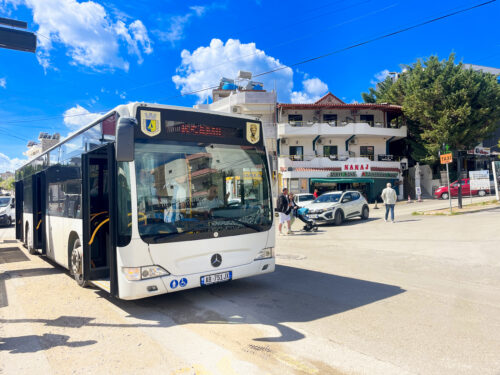
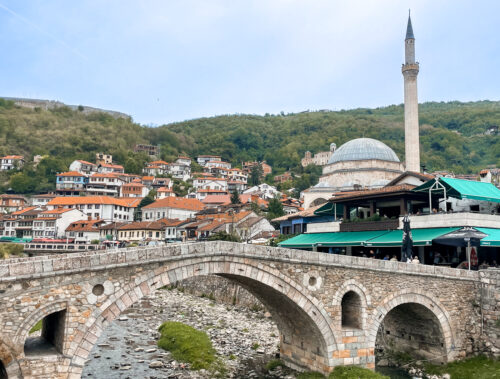
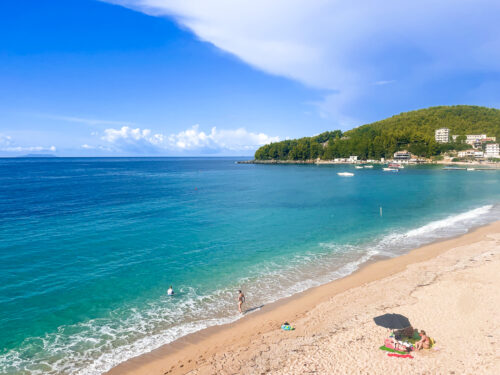
I’m surprised by how beautiful Bulgaria looks. I’d always expected it to be a bit… grey. I’m not sure why! The places you went to all look so colourful and full of life though. I’m looking for somewhere unusual to visit in Europe this year now that it’s become so crowded with tourists every summer. Bulgaria looks like it could be exactly what I need. Thank you!
Ooh, yes! I do think that Bulgaria is an excellent option for avoiding the crowds — especially if you avoid the coastline, as that can get very busy with local tourists. Inland, you won’t run into many people at all. Have an amazing time if you do decide to visit!
It looks beautiful. An old boyfriend of mine went to Bulgaria during his days with the Peace Corps and I’ve always wanted to visit. It looks like I might finally get the chance to do so and this guide was very helpful for planning my trip
I’m so pleased to hear that, Juliann! I hope you have a fantastic time in Bulgaria and get to see all the places you must have learned about from your ex!
WHY DIDN’T I READ THIS SOONER?! After a lot of contemplating, I decided to leave Bulgaria out of my trip next year and go through Moldova and Ukraine after Romania. Flights booked and all!
Oh well…from the looks of it, Bulgaria is worth more than the two or three days I’d have given it anyway.
That still sounds like such a good trip, though! And as you say, you would have only been able to dedicate a few days to Bulgaria, so would have come away wanted to spend more time there in the future. Now you can do it right the first time! I’d say aim to spend at least 7-10 days in the country, but two weeks would be perfect.
I have a few friends who have been to Bulgaria, but I know relatively little about it. I’m now considering adding it into my next Europe trip and that’s when I stumbled across this post. I’m a big planner so I really appreciate the level of detail and care you put into it, and the fact that you have expenses for almost every country in Europe is just the cherry on the top!
Such a compliment! Thank you so much, Koren, and I hope you make it to Bulgaria on this trip :-)
We LOVE Bulgaria!!! We both found it to have very friendly people and great sights, and it’s crazy that not many people decide to visit. We were travelling overland from Turkey to France and both agreed it was a great first country to check out.
Oh, that’s so funny, Monique, because the first time I travelled to Bulgaria I was coming from the opposite direction, taking the train from Germany to Bulgaria, which means it was the last country we visited! I felt it was also a great *last* country to check out, so I guess that means that Bulgaria is great all round! :-)
I’ve only heard good things about Bulgaria but like many others it’s been left off the itinerary until now. After seeing a few ancient theatres in Greece, the one you wrote about in Plovdiv looks incredible, so will definitely have to go there.
You won’t regret travelling to Plovdiv! It’s a beautiful city and the ancient theatre is just mind-blowing.
“A pleasant surprise” is definitely how I would describe Bulgaria, too. I really enjoyed just about every part of the country I visited, and was blown away by how PRETTY it all was! Plus, those Roman ruins in Plovdiv? AMAZING!
The ruins are incredible, aren’t they? What an underrated country Bulgaria is.
Glad you got your cheese fix and find it so funny that that is what you remember most about the food in Bulgaria! I have a cheese sandwich pretty much every day at work and I’m worried how I will cope without when we travel. It gives me hope though that if a cheese-obsessive like you can survive, so can I. Really useful pricing information too by the way!
I know, it’s so funny that I came away from Bulgaria telling everyone I knew that it had amazing cheese! If you ever travel there, you’ll have to pop into a supermarket and hunt down the cheese aisle — it’ll be like nothing you’ve ever seen before. And the taste? So good!
Plovdiv is my favourite city/town in Bulgaria. The buildings are so gorgeous!
I absolutely agree. I arrived in town knowing nothing about it and came away singing its praises (and showing everyone I knew my photos of its colourful buildings)!
I didn’t know the oldest, continually inhabited city in Europe was in Bulgaria! Interesting eh? And Veliko Tarnovo looks freaking adorable and the type of place I could base myself for weeks. Gah, it makes me even more excited to get there this summer.
I was surprised by that fact, too! It made me feel like Plovdiv should be a lot more well-known internationally than it is. Have a great time in Bulgaria!
I’m glad you had a chance to visit Bulgaria on your travels and wrote up such a lovely article about it! An amazing country = I lived there for 2 years.
What an interesting place to live, Ellis! I feel like I would really enjoy spending a couple of years basing myself in Bulgaria — most likely in Plovdiv.
Bulgaria is beautiful. It’s one of the oldest countries in Europe with one of the richest cultural heritages in the world. The countryside is incomparable too. Mountains, valleys, beaches, sea. If you want beaches, go in the summer. If you want to ski, go in the winter.
Your readers might want to visit these wonderful places that aren’t often visited by tourists: Koprivshtitsa, Melnik, Nessebar, Sozopol, Kovachevitsa, Leshten, Arbanasi, Varna, Bozhentsi. Google them for images :).
Oh, and if you love roses, check out the Valley of the Roses near Kazanlak during late spring and early summer. Bulgaria is the biggest producer of rose oil in the world as well as lavender oil. There are endless fields of lavender and roses and they are beautiful to see. The only place I have seen that can rival this beauty is perhaps the south of France.
Also, it’s worth to mention the Bulgarian wine country. In these lands people produced wine thousands of years ago and exported it to Greece and elsewhere, long before any other European region was known for winemaking. This is the land of the Thracian God of wine and funtime Dionysus, after all.
If you want to explore Bulgarian wines, I recommend heading to the Melnik region. The industry is just getting back on its feet, but there are lots of small operations that craft interesting vintages. Go in the early fall when they make the wine.
MP, thank you so much for the thoughtful, detailed comment — and the many wonderful suggestions of places to visit! You have me itching to buy a one-way ticket back to Bulgaria and start exploring some of those lesser-known destinations.
Hello Lauren. I am a Bulgarian and I am happy to hear that you and other people in the ocmments like my country. I love Bulgaria although I dont live there for ages…
Except the places that MP wrote, I would recommend readers visit some of the churches and monastery, like Rila Monastery, Bachkovo Monastery, Cherepishki Monastery, etc.
A nice places to visit are Belogradchik rocks, the famous Seven Rila Lakes, Kaliakra and some Thracian tombs, like Sveshtari and Starosel.
Take care,
Maya
Amazing! Thank you so much, Maya! With all these recommendations, I’m starting to feel like I should be recommending that my readers spend a minimum of a month in the country :-)
Plovdiv-my home town :) I’m so happy you liked it, and I hope one day you’ll come back to Bulgaria and explore some more and eat more cheese of course :) We might be getting a bit more expensive but it is still much cheaper than western europe countries
Thanks, Monika! I definitely am feeling like I need to get my cheese fix again — how soon is too soon to start planning my return trip?
Aaah, I remember reading this post when I was contemplating going to Bulgaria and wanted to come back to tell you all about it. I did go in December with low expectations, and was pleasantly surprised like you were. Plovdiv was amazing for me, maybe because I took a walking tour very early and found those amazing theatres with nobody else there :D
I love your pictures. I went in the winter and the weather was disgusting :/
I’m so pleased to hear you enjoyed Bulgaria as much as I did, Surya! The weather does make planning a trip to Bulgaria a little tricky, though. While I have lots of beautiful blue skies in my photos, it was often 36-38 degrees and it made the sightseeing hard work!
Hi, Lauren.
Just like Maya, I`m also very happy you liked my home country. Bulgaria is a pleasant surprise to many travelers, because they don`t have big expectations. And the reason is – Bulgaria is not so well advertised as a touristic destination (like our neighbors Turkey and Greece) and people don`t know much about it. l`m a little disappointed that most people just past transit either on their way to Turkey or on their way from Turkey to Western Europe. Because it`s really much to be seen and done here – wonderful nature, delicious food, old history, etc. Plus – no huge touristic crowds (like in Istanbul).
And, of course – everyone likes our cheese :) I hope you had not missed to try also our yellow cheese, called “kashkaval”. If you did, don`t miss next time ;) Actually, our white and yellow cheeses are two of the reasons I`d probably never go living abroad. I would miss them soooo much. As well as things like luytenitza, banitza, etc.
Have safe travels.
Atanas
Yes, the food in Bulgaria is so underrated — and not just the cheese! I still dream of Kashkaval and wish it was easier to find outside of the country :-)
There are a few other places that I’d recommend visiting in Bulgaria, such as the 7 Rila Lakes, the old town in Plovdiv, the Lozenetz Seaside resort, Kaliakria, Devin municipality (lots of beautiful lakes and caves, including the worldwide popular cave – the Devil’s Throat), Stara Planina a.k.a Old Mountain stretches across the whole country and has lovely toursit paths for a leisurely walk among the nature. Vitosha, Bansko and Pamporovo are a great winter resorts you can visit, to skii or snowboard or just to go for SPA and party during the winter.
Dave, thank you so much! I love that the comments of this article have turned into recommendations and advice on the best places to visit in the country :-)